





Verified credentials
Who you are actually hiring, and who stands behind the work.

James Hardie™ ALLIANCE Affiliate
Fiber cement siding · Affiliate level

True Metal Supply
Metal roofing and siding supplier

BBB Accredited Business — A+ Rating
- TN #13334Licensed & Insured
Licensed Home Improvement Contractor
Tennessee license #13334 · General Liability and Workers’ Compensation insured


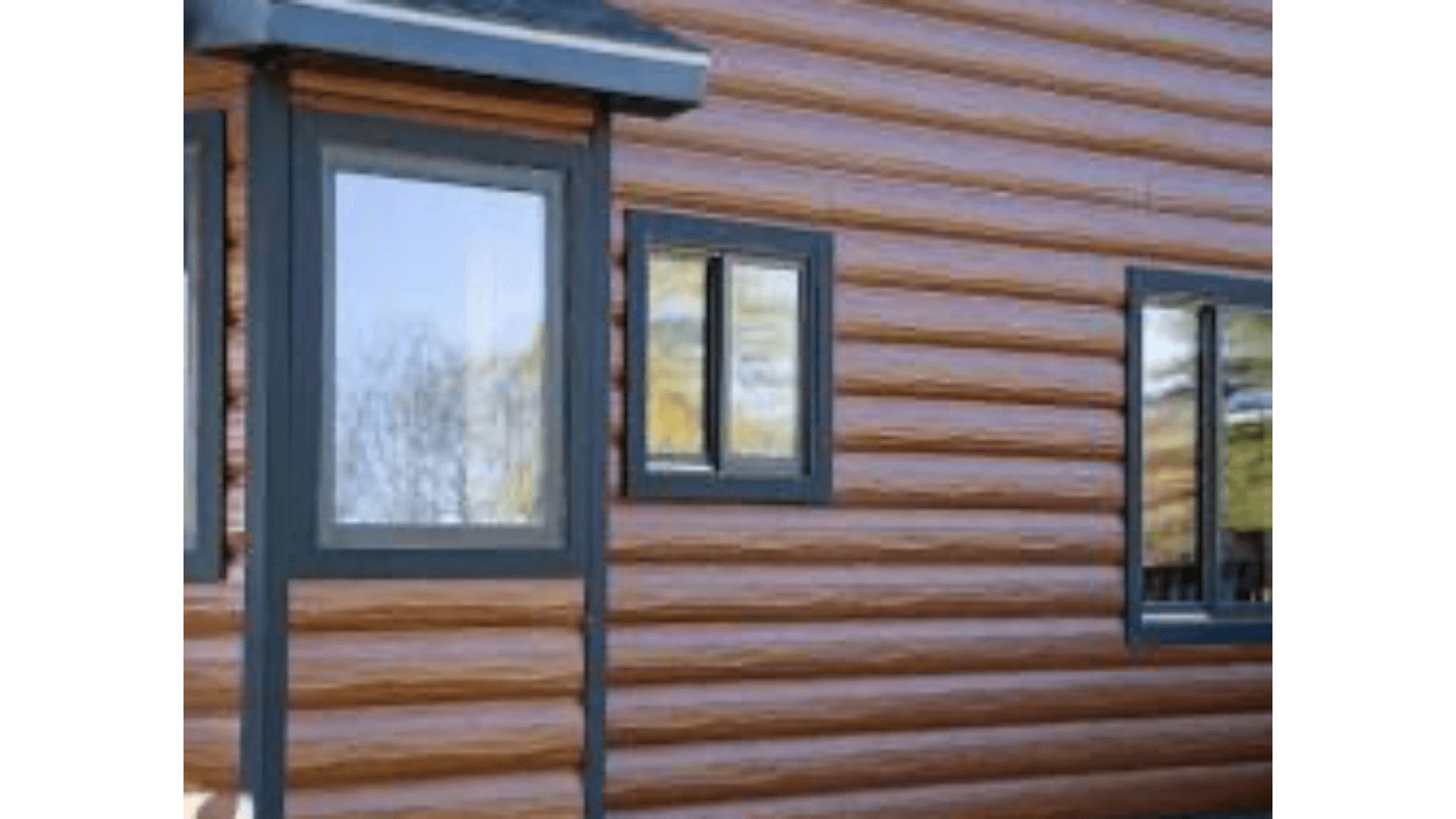
Why Knoxville homeowners compare TruLog and wood siding
This comparison comes up often because many homeowners love the appearance of wood but do not love the maintenance that usually comes with it. In Knoxville and nearby areas, exterior siding is under steady pressure from humidity, rain, and seasonal weather movement. That makes material choice more important than it might be in a drier climate. TruLog enters the conversation because it offers a wood-inspired look in a steel siding product, while traditional wood gives homeowners the original look but with more upkeep. The decision usually comes down to style versus maintenance risk over time.
The biggest difference is maintenance
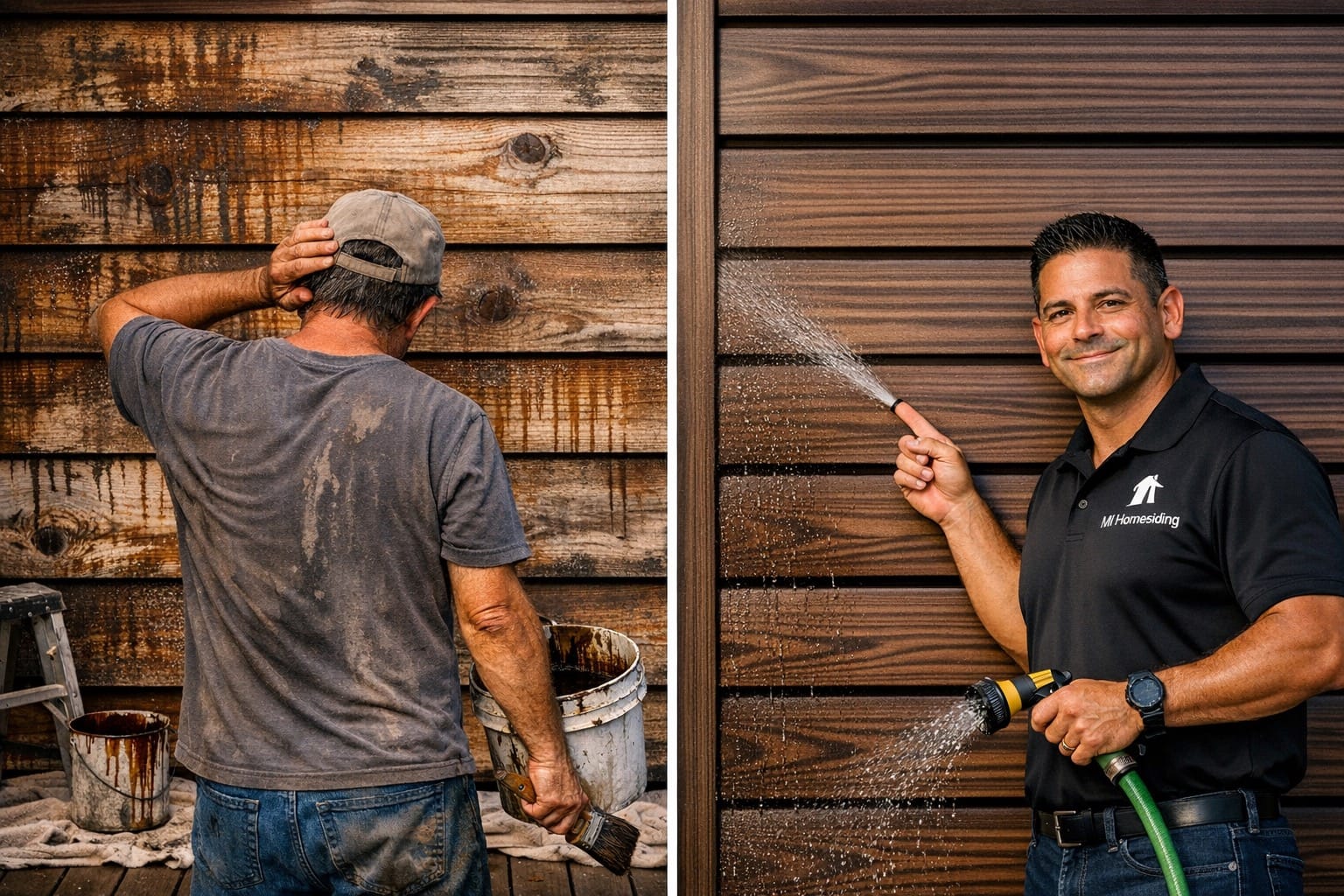
Maintenance is one of the clearest differences between these two options. Wood siding usually needs more attention over the years because it can absorb moisture, swell, crack, peel, or develop soft spots in vulnerable areas. That means more inspection, more repainting or staining, and more repair work when weather starts affecting the surface. TruLog is attractive to many Knoxville homeowners because it gives a wood-style look without asking for the same level of ongoing upkeep. For people who want a cleaner long-term ownership experience, that difference alone can shape the entire decision.

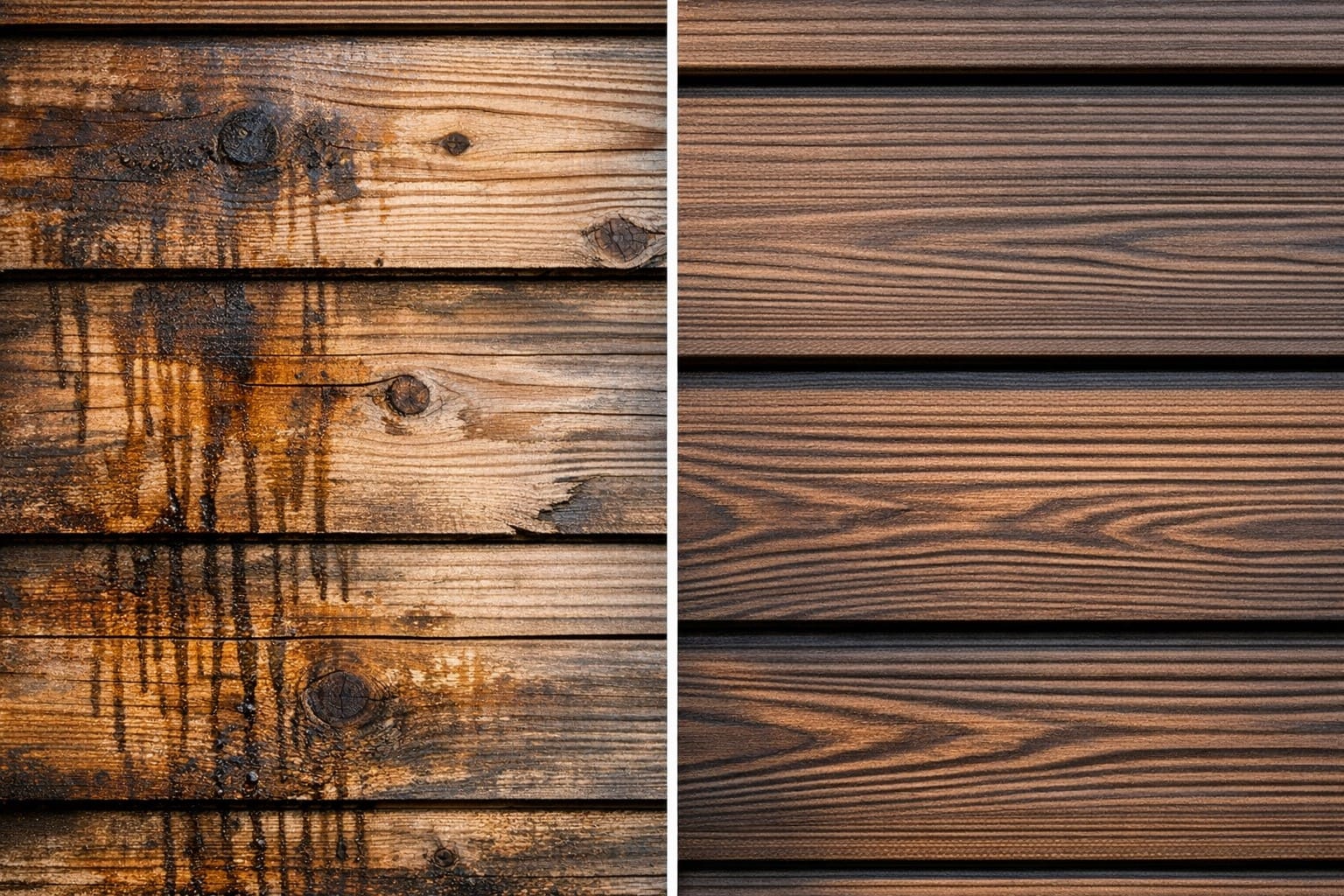
Moisture resistance matters in East Tennessee
Moisture is a major reason this comparison matters so much in Knoxville. Real wood can perform well when maintained properly, but it is naturally more vulnerable to rot, swelling, and repeated weather wear if water keeps reaching weak points. We see this often around bottom edges, trim transitions, butt joints, and shaded sides of homes where drying takes longer. TruLog is often considered by homeowners who are tired of fighting those moisture-related wood problems again and again. In a climate like East Tennessee, moisture resistance is not a small detail. It is one of the biggest long-term performance factors.
Curb appeal and visual style
Wood siding still has a strong place in the market because it offers a natural texture and warmth that many homeowners love. On older homes, cabins, and character-rich properties around Knoxville, real wood can look beautiful and feel authentic in a way some owners strongly prefer. TruLog, on the other hand, is chosen by people who want a similar visual direction but with a more controlled and lower-maintenance product. The right answer depends on the style of the house and the look the homeowner is trying to create. Some homes call for true wood. Others benefit more from the cleaner consistency of TruLog.
Which one handles repairs better
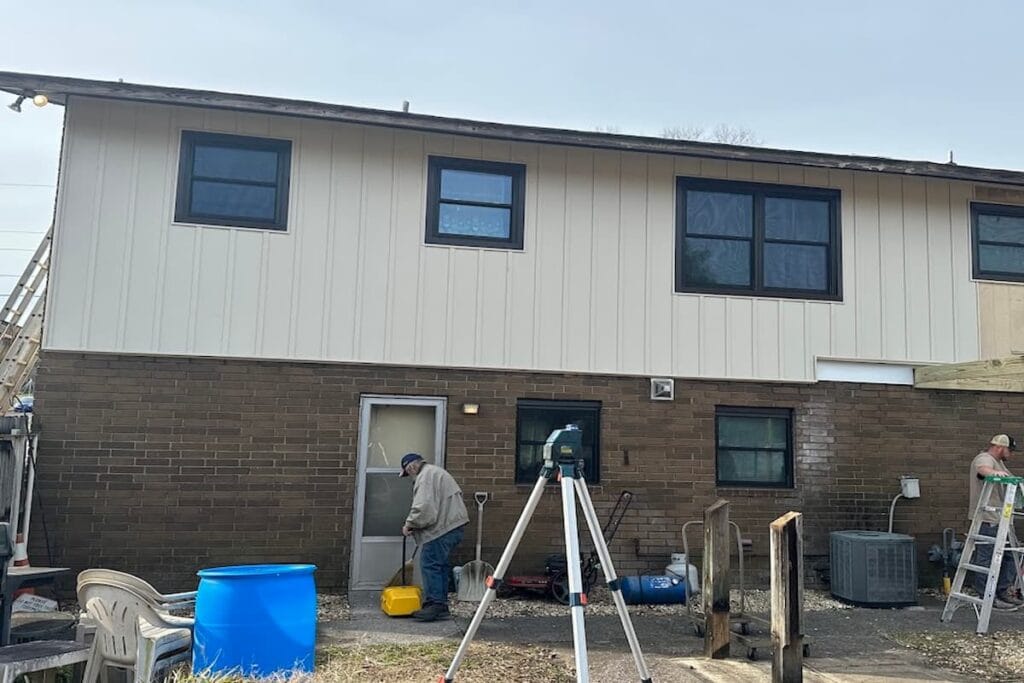
Repair expectations are different with each material. Wood siding may allow more piece-by-piece repair in some cases, but it can also hide moisture damage until the affected area is opened. When one section fails, the problem may already extend farther than expected behind the surface. TruLog appeals to homeowners who want a more stable system with fewer repeat maintenance cycles, but like any siding product, it still depends on proper installation and solid transitions. In Knoxville, the real issue is often not only whether a material can be repaired, but how often the house will need repairs in the first place.
Installation quality still decides performance
No siding choice performs well if the installation is poor. We see homeowners blame the material when the real problem was missing flashing, weak trim details, bad layout, or moisture protection that was never done correctly. That applies to both wood siding and TruLog. A good product installed wrong will still fail in Knoxville weather. That is why homeowners should not only compare product features. They should compare how the system will be installed, how transitions will be sealed, and whether the contractor understands the moisture risks that affect homes across Knoxville, Bearden, North Knoxville, and nearby areas.
Which option makes more sense for your home
Wood siding may be the right choice if you love the natural look, understand the upkeep, and are prepared to maintain it over time. TruLog may be the better choice if you want a wood-style appearance with less maintenance and a more controlled exterior system for wet Tennessee conditions. The best decision usually comes from looking at the architecture of the house, the exposure to weather, the long-term budget, and how much time the homeowner wants to spend dealing with future upkeep. In many cases, the smartest choice is the one that gives the house the right look without creating repeat problems later.