



Tongue and Groove Installation Details That Matter
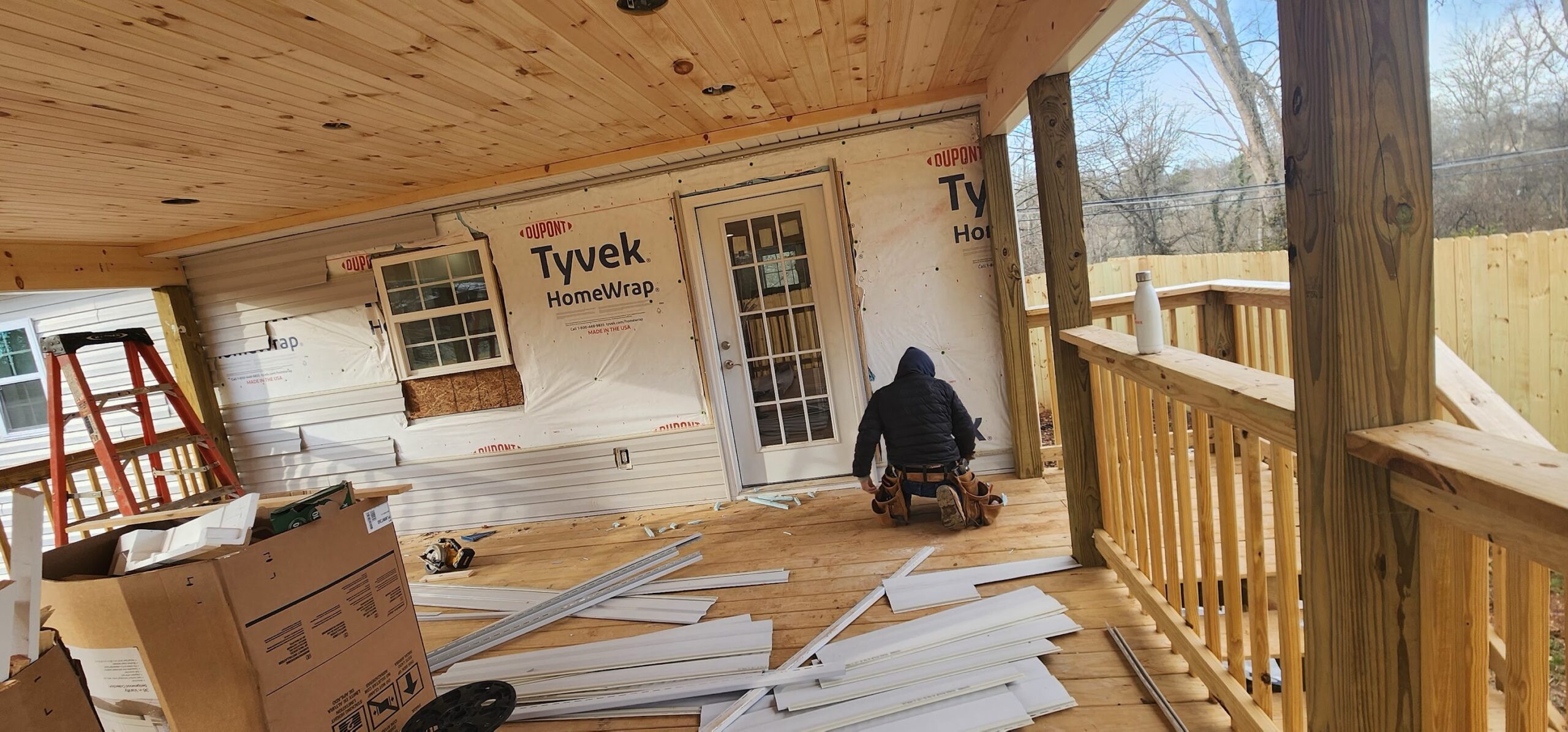
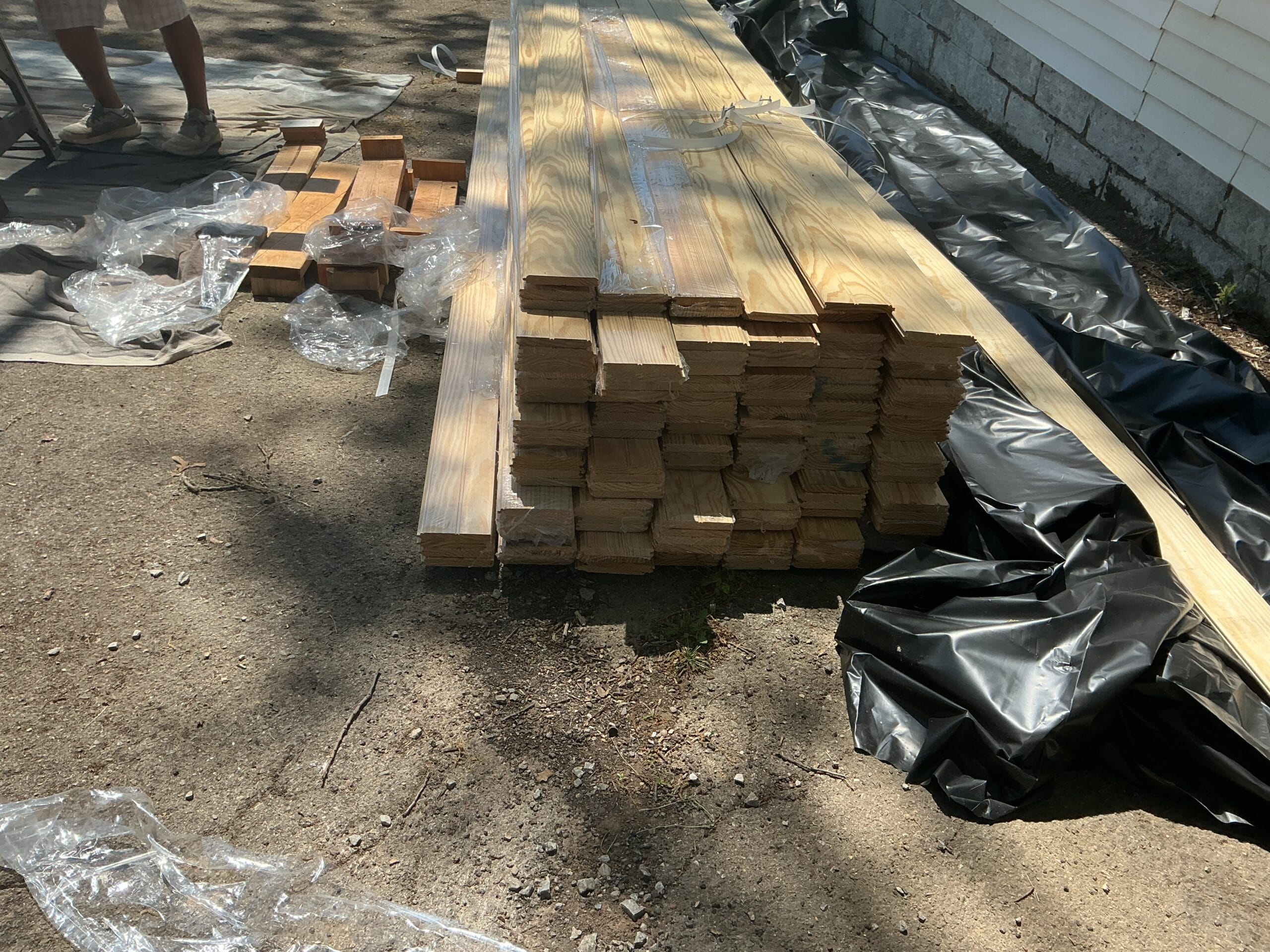
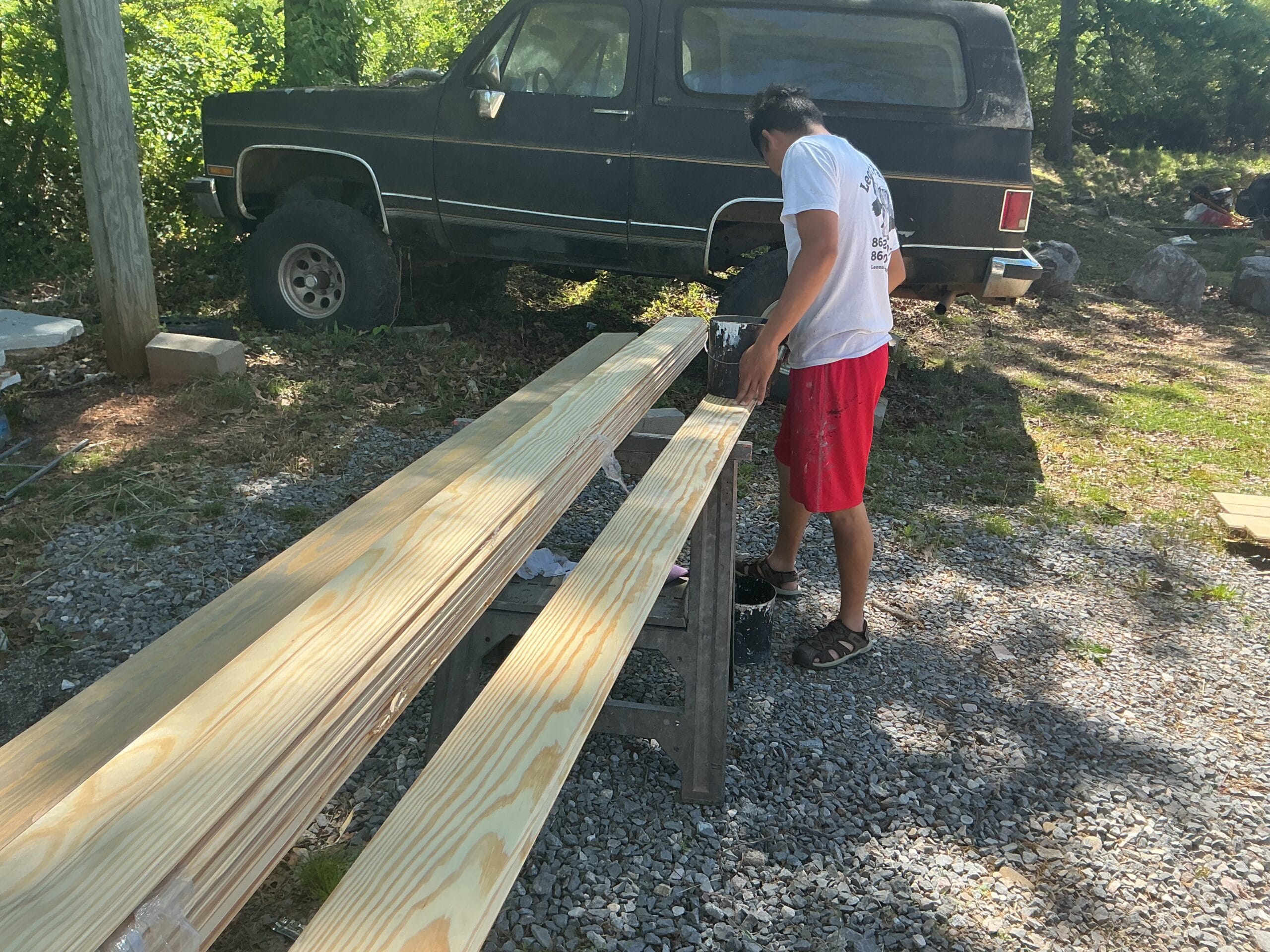
A good tongue and groove install starts with a clean plan, straight layout lines, solid backing, and fastening into framing where it belongs. One of the most common problems we see is weak fastening or the wrong fastening pattern, which leads to boards loosening, sagging, or separating over time. Good installation also means paying attention to board direction, spacing, trim lines, and how the surface will move through humid summers and drier winter periods. When those details are skipped, we often end up correcting the same kinds of failures seen in improper siding installation repair because the root issue is still bad installation.
Common Tongue and Groove Problems in East Tennessee
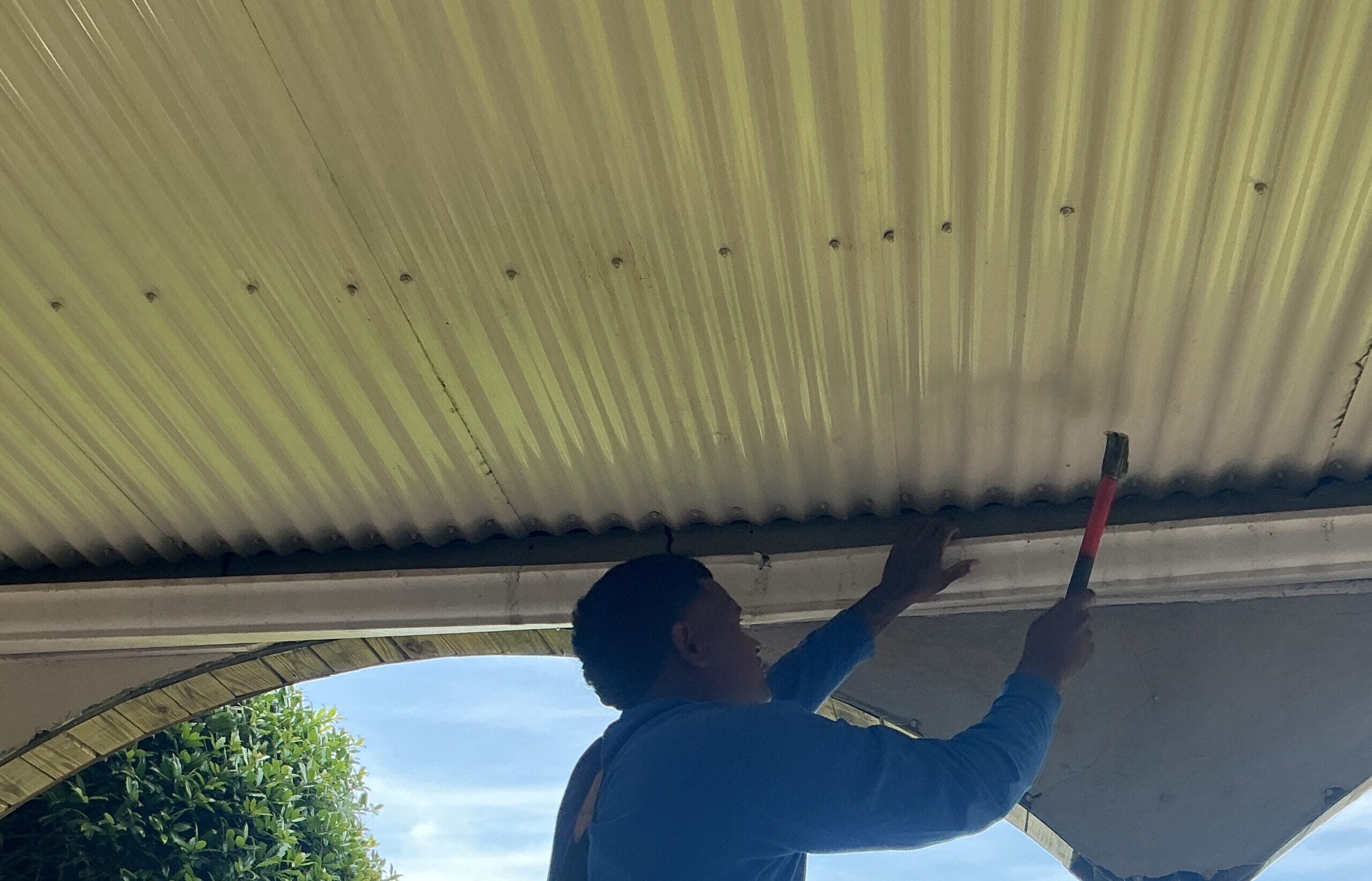
The most common tongue and groove problems we see in East Tennessee come from poor fastening, missing flashing, trapped moisture, and failure to account for normal wood movement. Boards that are too tight, poorly supported, or exposed to repeated water entry start to separate, stain, swell, or rot. These problems show up most often where T&G meets Hardie, trim, fascia, soffits, roof edges, or other transitions that were never flashed correctly in the first place. When moisture keeps getting behind the boards, the damage can spread farther into the structure and lead to water behind siding repair or other related wall issues.
📋 Hidden Damage Policy: If structural rot or hidden wall damage is discovered during the project, a Change Order (CO) will be issued so the home is repaired safely and correctly. We never hide problems behind new materials.
Built for Knoxville and Nearby Mountain Areas
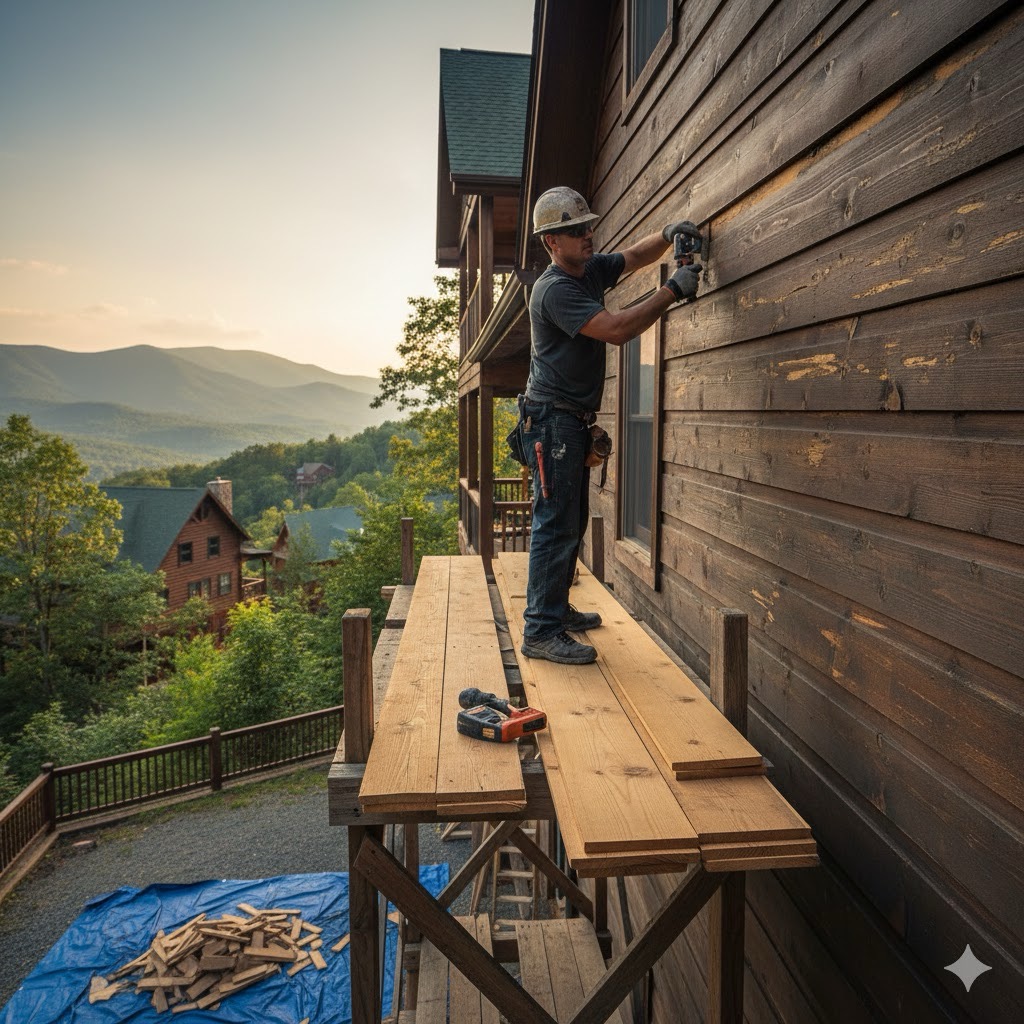
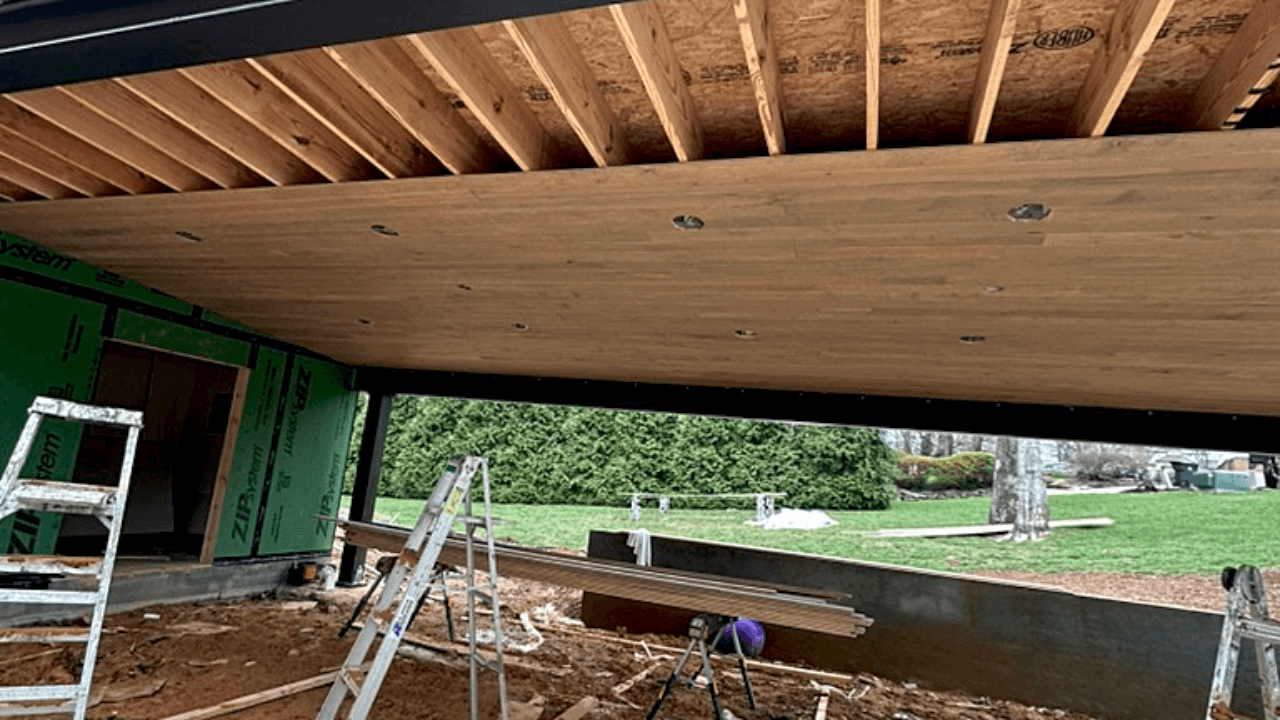
Tongue and groove projects in Knoxville, Gatlinburg, Sevierville, and other nearby areas all deal with the same larger issues: humidity, rain, changing temperatures, and repeated expansion and contraction through the year. In mountain and cabin areas, exposure can be even tougher because of roof design, shade, wind-driven rain, and longer periods of moisture. That is why a good-looking install is not enough by itself. It also has to be planned for the real weather conditions the boards will face. If you are comparing broader exterior material performance, our best siding for Tennessee climate guide helps put those conditions in context.
Why Homeowners Choose MI Homesiding
Homeowners call MI Homesiding because we look at the full system, not just the visible surface. We inspect carefully, explain the real cause of the issue, and focus on fastening, flashing, backing, and water control before we close anything up. That matters on tongue and groove because a clean finish can still fail quickly if the structure and transitions behind it were never handled correctly. If you want a broader look at the exterior work we handle across siding, trim, repairs, and replacement, our siding services in Knoxville page gives the larger picture.
Get a Free Tongue and Groove Estimate in Knoxville, TN
Every tongue and groove project is different, and the right approach depends on where the boards are being installed, how exposed the area is, and whether moisture has already affected the structure behind it. We inspect the project carefully, explain what the area needs, and provide a clear estimate based on the real condition of the work. Our goal is to build a clean finish that also performs the way it should over time. If you are also comparing repair versus larger rebuild costs, our siding replacement cost guide can help you think through the budget side.
Tongue and Groove Cost in Knoxville, TN
Tongue and groove cost depends on where the material is being installed, how exposed the area is, and whether the backing behind it is still solid.
Porch ceilings, soffits, cabin details, and repair areas all price differently because access, prep, flashing, and finish details change from project to project.
If hidden rot, failed flashing, or moisture damage is found, we explain the issue before moving forward so the repair is done correctly.
Ready to Get Started?
If you want tongue and groove work that looks clean and stays tighter through Knoxville weather, we can help. MI Homesiding & Roofing handles installation, repair, and replacement with attention to fastening, flashing, moisture control, and the long-term performance of the full system.
Licensed GC · Workers’ Compensation Insured · General Liability Insured · BBB Accredited · Family Owned & Operated