





Verified credentials
Who you are actually hiring, and who stands behind the work.

GAF Certified™ Residential Roofing Contractor
GAF ID 1158190 · Verify on GAF
Authorized to offer the GAF System Plus Limited Warranty on qualifying GAF roofing systems

True Metal Supply
Metal roofing and siding supplier

BBB Accredited Business — A+ Rating
- TN #13334Licensed & Insured
Licensed Home Improvement Contractor
Tennessee license #13334 · General Liability and Workers’ Compensation insured


Why Knoxville Homes Are at Risk
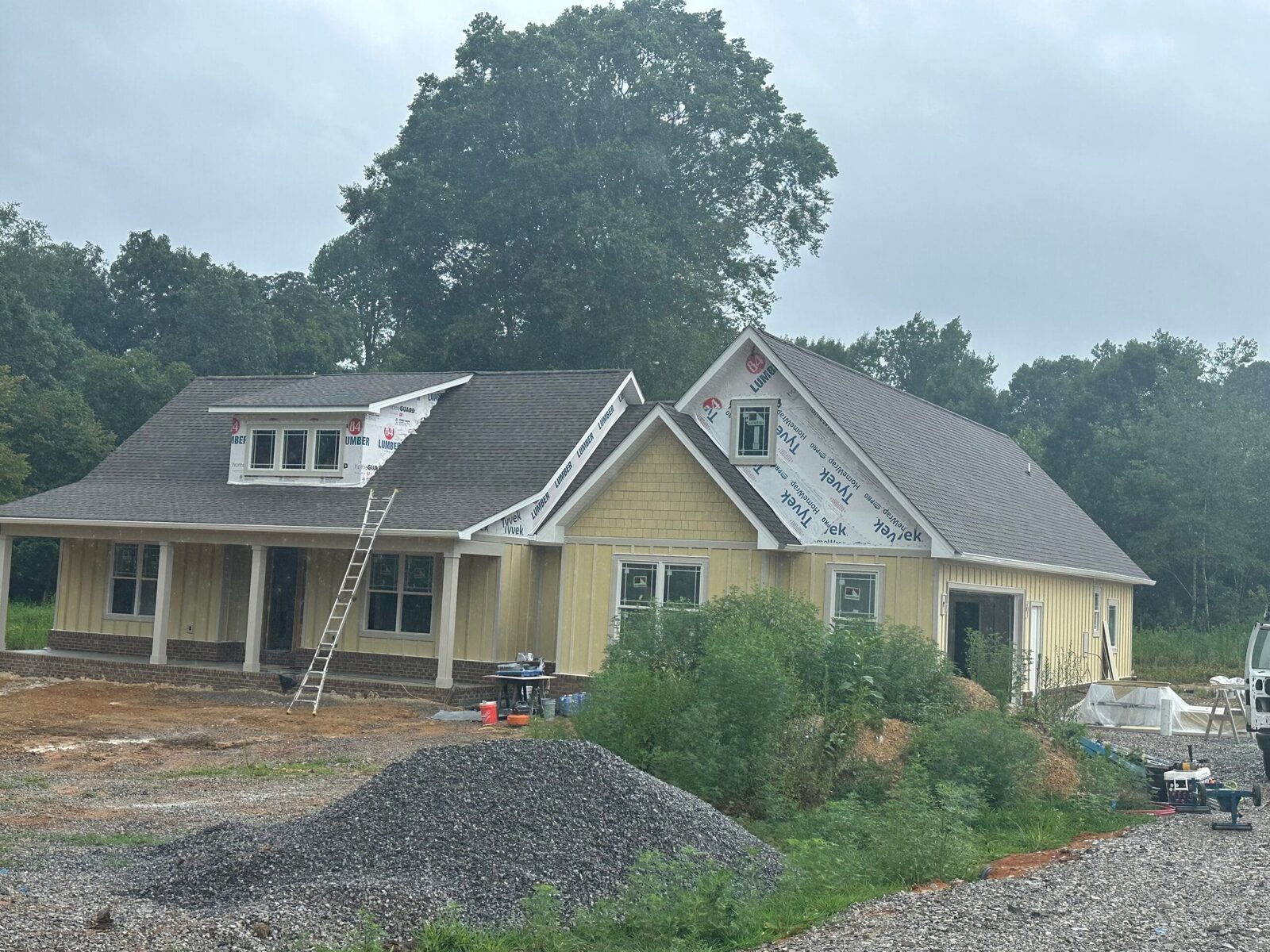
Knoxville homes deal with heavy rain, long humid seasons, and constant moisture pressure on every exterior surface. Over time, that weather wears down siding joints, trim boards, caulk lines, and transition areas until small openings start appearing across the wall. We also see many homes where the original installation was rushed: missing flashing, loose siding, gaps around utility lines, damaged soffit, and weak fascia boards that create easy access for rodents. Older Knoxville homes carry even more risk because many were patched in pieces over the years, often with shortcuts that hide the real damage instead of fixing it. Homeowners researching long-term exterior failures often visit our why siding fails in Knoxville weather page.
Common Entry Points
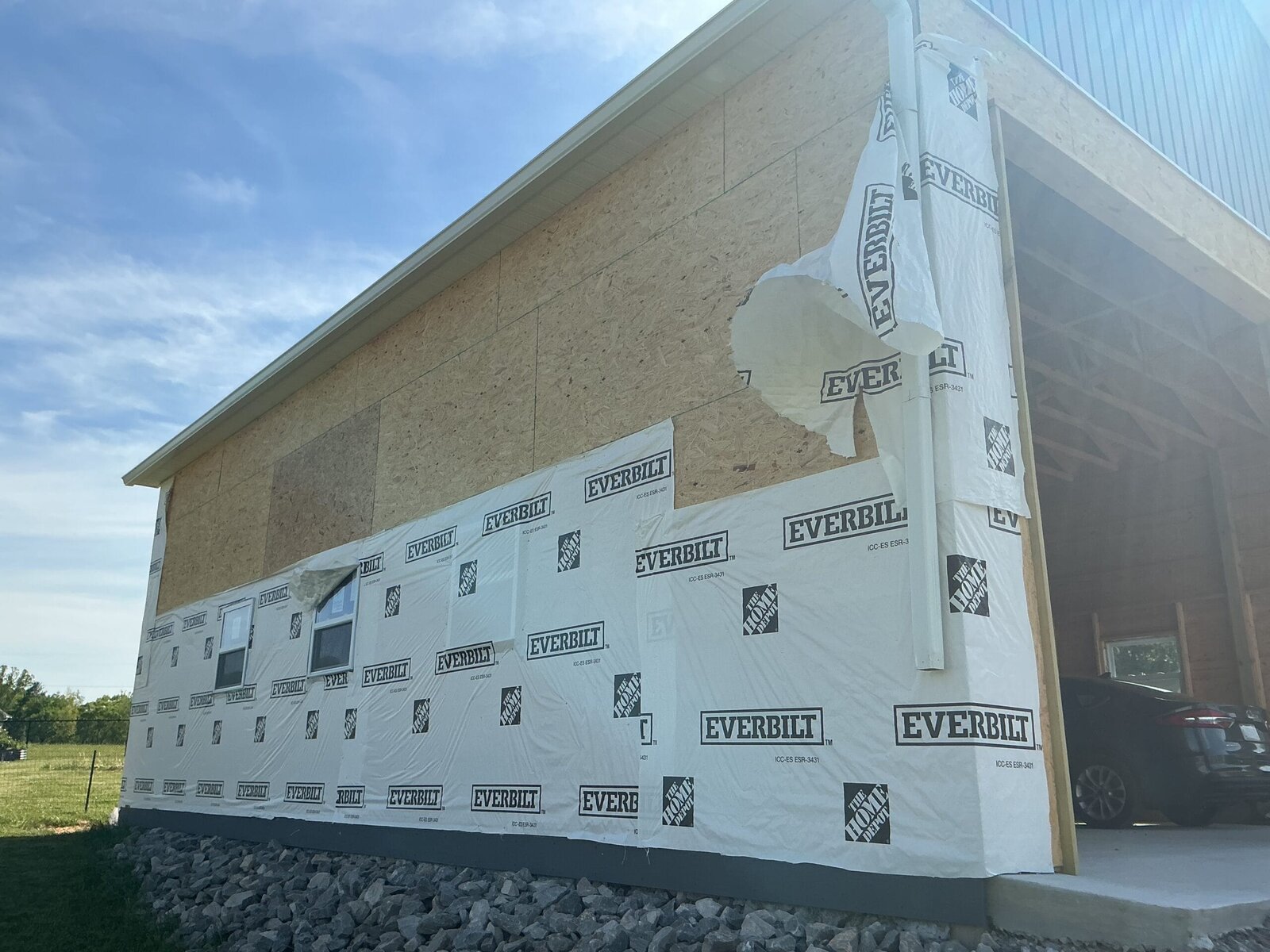
Most homeowners assume rodents enter through a big visible hole, but that is rarely the case. The real openings are usually hidden behind loose or damaged siding, where panels with broken sections or poor overlap leave gaps behind the wall. Rotten trim and wall edges are another major path, since soft wood lets rodents chew through and widen the opening over time. Soffit and fascia transitions are common trouble spots, especially where water has been getting in for years. Corners, pipe penetrations, cable lines, and wall joints are often poorly sealed or the seal has failed without anyone noticing. We also regularly find bad repairs from past contractors where someone patched the surface without fixing the actual cause. When wood rot is part of the problem, the project often overlaps with rotted siding repair before the area can truly be sealed.
Signs You May Have Exterior Entry
Sometimes homeowners hear scratching in the walls before they see anything. Other times they notice stains, smells, or damage on the outside of the home. The most common warning signs we get called about include noises in walls or near exterior corners, droppings near siding lines or garage walls, soft or rotted trim boards, loose soffit or fascia, chewed gaps around wall penetrations, and recurring rodent issues even after pest treatment. Water damage near the same area is another strong indicator, because moisture and rodent entry usually share the same failed exterior detail. When the same problem keeps coming back, the issue is almost always an exterior opening that was never fixed correctly.
Hidden Damage Behind the Wall
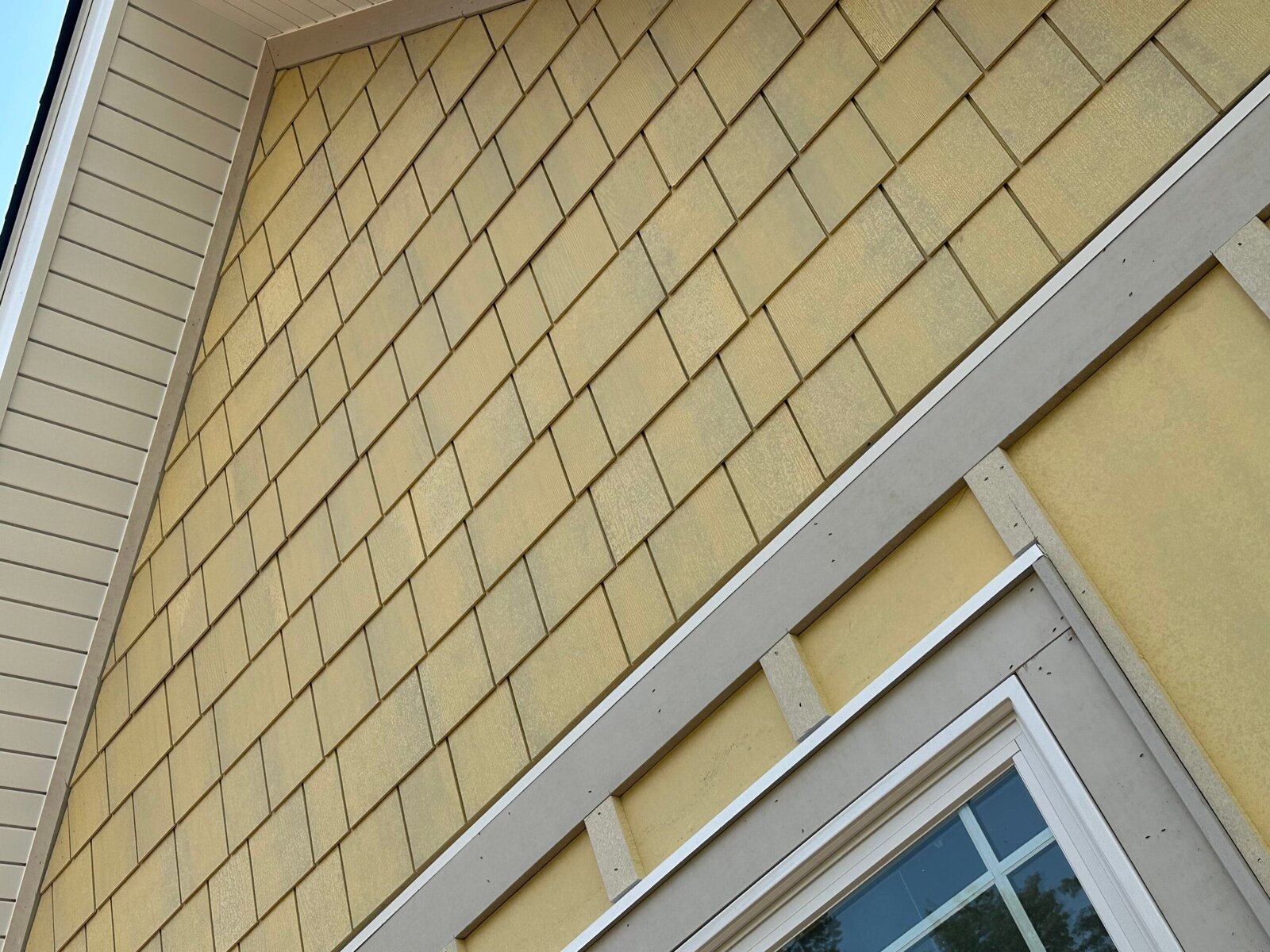
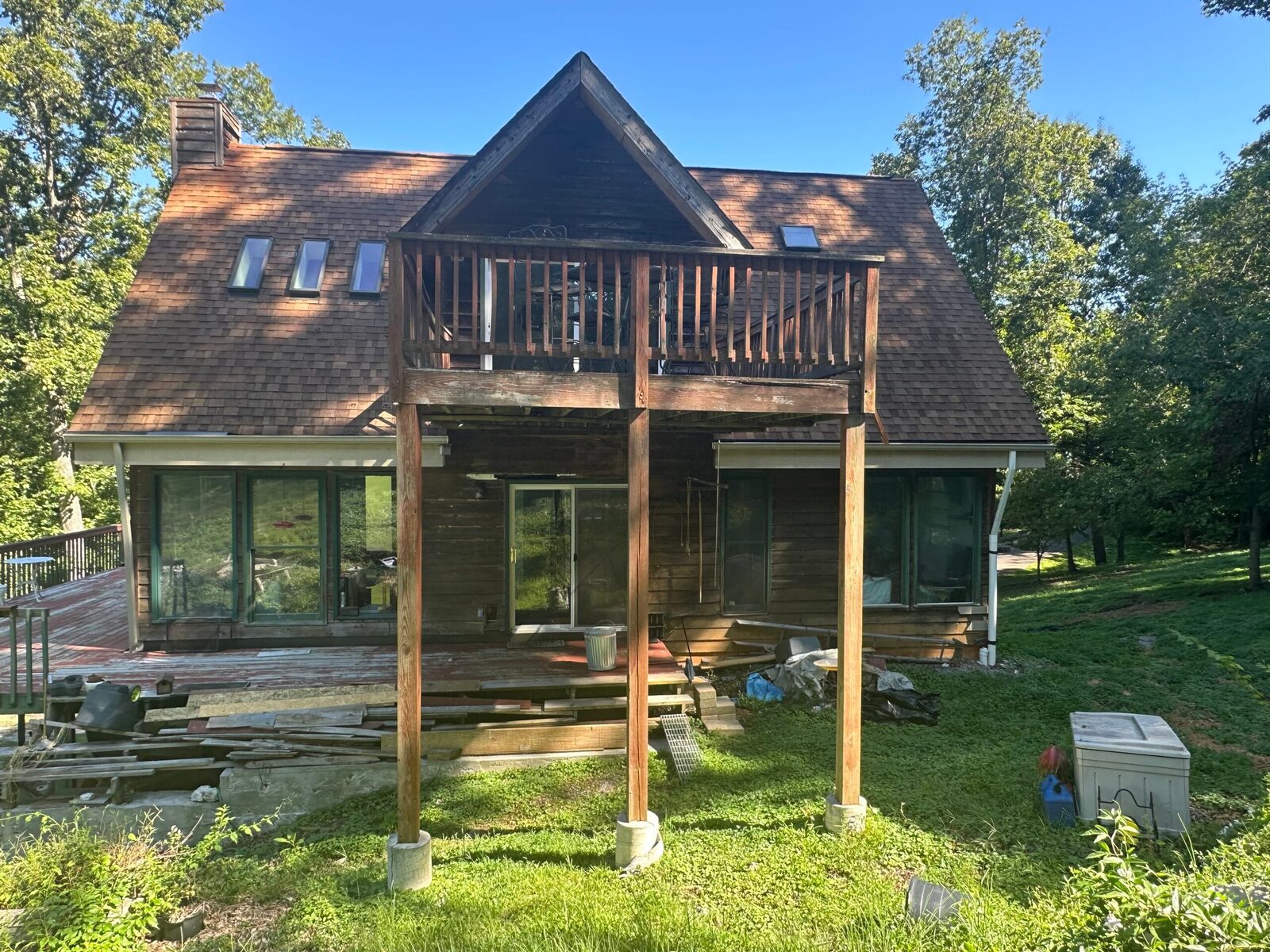
- 01In many Knoxville homes, the visible hole is only one part of a bigger problem. We often discover rotted sheathing, damaged framing, mold inside wall cavities, failed flashing, and trapped moisture that has been spreading for years before the homeowner ever noticed rodents inside. This is why surface patches alone do not work. When water has already been moving behind the wall, the project often overlaps with water behind siding repair and siding leak repair before the area can be properly closed.
- 02📋 Hidden Damage Policy If hidden rot, damaged sheathing, framing issues, or moisture damage are discovered during the project, we explain the problem clearly and provide a Change Order before moving forward. Hidden damage is documented and priced in a written Change Order before new siding goes over it.
Why Cheap Rodent Proofing Fails
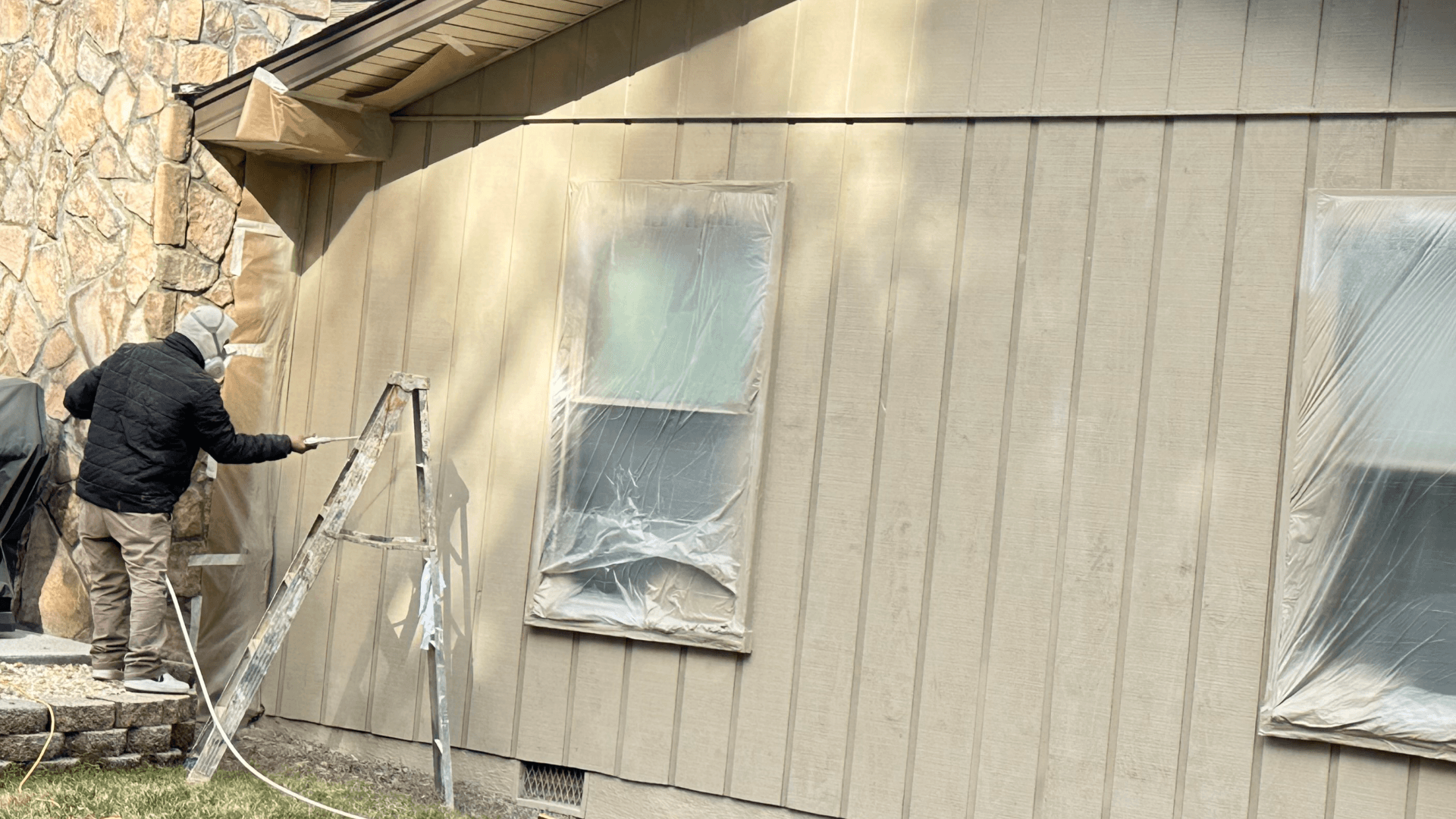
A low quote on rodent proofing usually means filling visible holes with foam or caulk and moving on. That looks fine for a few weeks but solves nothing. The siding is still loose, the trim is still rotted, the soffit is still failing, and the moisture problem that softened the materials in the first place keeps spreading behind the new patch. Within a season or two, the same rodents return through the same path, or new openings appear just inches from the old ones. We regularly inspect homes where pest control sealed the surface only for the issue to come back after the first humid summer or heavy rain. If the original installation itself is the cause of the failure, the project may also involve improper siding installation repair before the area can stay sealed long term.
Our Siding-Based Approach
Our work is focused on exterior entry points tied to siding and related wall components. We inspect siding joints and panel edges, trim and corner boards, soffit and fascia connections, wall penetrations, gaps around windows and doors, damaged chimney transitions, and any spots with visible water damage or rot. If the failure is in the exterior wall system, we can repair it the right way. When flashing has failed at the entry area, the project may also overlap with siding flashing repair. When the chimney is the entry point, our chimney siding repair page explains that work in more detail.

Why This Matters in Wet Weather
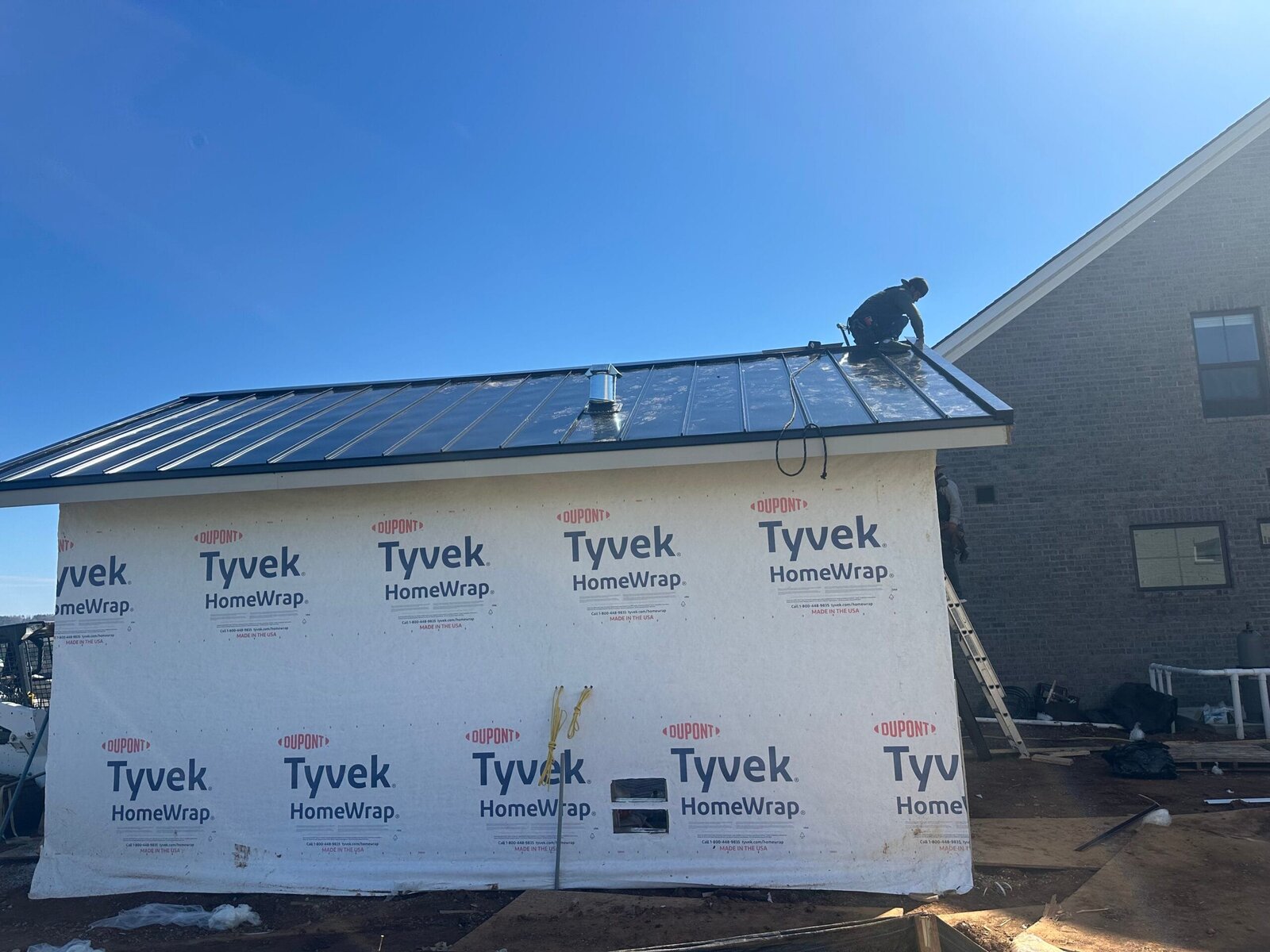
Moisture changes everything when it comes to rodent entry. Once water gets behind siding, it can damage wood, swell materials, loosen boards, and break down the surfaces that should be protecting the home. After that happens, rodents have a much easier path inside, and the same openings keep returning as the materials soften further. That is why rodent proofing around siding is not really about pest control. It is about protecting the home from the moisture damage that creates the openings in the first place. Homeowners comparing repair versus replacement options often review our repair vs replace siding guide.
Who This Page Is For
This service is for Knoxville homeowners who believe rodents may be entering through exterior wall areas, not just through general pest activity. It is a good fit if the home has damaged or loose siding, soft trim or fascia, recurring rodent problems near one wall, signs of water intrusion near entry points, old repairs that do not look right, or visible openings around the outside of the house. We do not handle interior pest control. Our work focuses on the exterior shell and the moisture failures behind it.
Why Homeowners Choose MI Homesiding
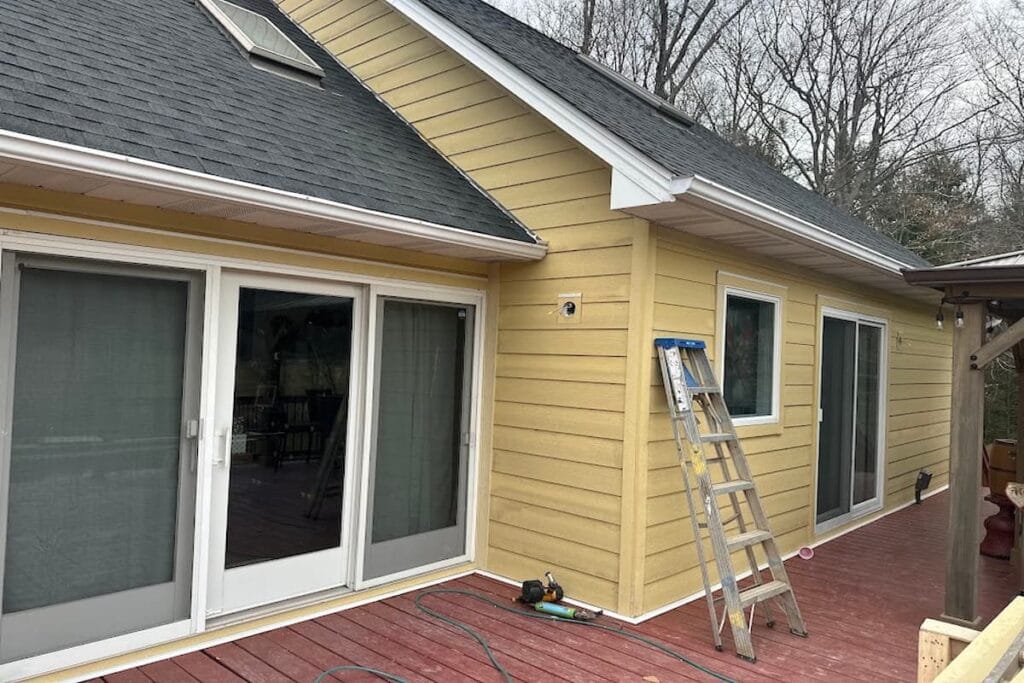
Homeowners across Knoxville choose us because we focus on the real cause of the exterior failure, not just the visible opening. We understand how siding, trim, soffit, fascia, flashing, and moisture all connect, which matters when the goal is stopping rodent entry permanently. We provide owner-led inspections, clear estimates, honest evaluations, and clean professional work backed by more than 20 years of hands-on construction and exterior remodeling experience. We are a Licensed Home Improvement Contractor in Tennessee, Workers' Compensation Insured, Family Owned & Operated, and provide bilingual English and Spanish service across surrounding East Tennessee. Homeowners needing broader repair work often visit our siding repair contractor page.
Call now for a free rodent proofing estimate: (865) 243-1243
Ready to Get Started?
If you suspect rodents are entering through your siding, soffit, fascia, or trim, acting early can prevent much larger structural repairs later. MI Homesiding & Roofing seals exterior entry points with attention to moisture control, flashing, and long-term wall protection across Knoxville and East Tennessee.
Call now for rodent proofing: (865) 243-1243
Licensed Home Improvement Contractor · Insured · Family Owned & Operated Bilingual Service · 5-Star Rated on Google · Serving Knoxville & East Tennessee