




Verified credentials
Who you are actually hiring, and who stands behind the work.

James Hardie™ ALLIANCE Affiliate
Fiber cement siding · Affiliate level

True Metal Supply
Metal roofing and siding supplier

BBB Accredited Business — A+ Rating
- TN #13334Licensed & Insured
Licensed Home Improvement Contractor
Tennessee license #13334 · General Liability and Workers’ Compensation insured


Most Siding Leaks Start Long Before Homeowners Notice Them
One of the biggest problems with siding leaks is that moisture usually stays hidden for months or even years before visible damage appears outside. Water often enters slowly behind the siding system through failed flashing, weak transitions, loose trim, or poor installation details.
We regularly inspect Knoxville homes where the siding still looked “fine” from outside while the sheathing and framing underneath were already deteriorating. Homeowners noticing moisture stains or recurring leaks often visit our water behind siding repair page to better understand how hidden moisture spreads behind exterior walls.
Structural Integrity & Discovery of Hidden Damage
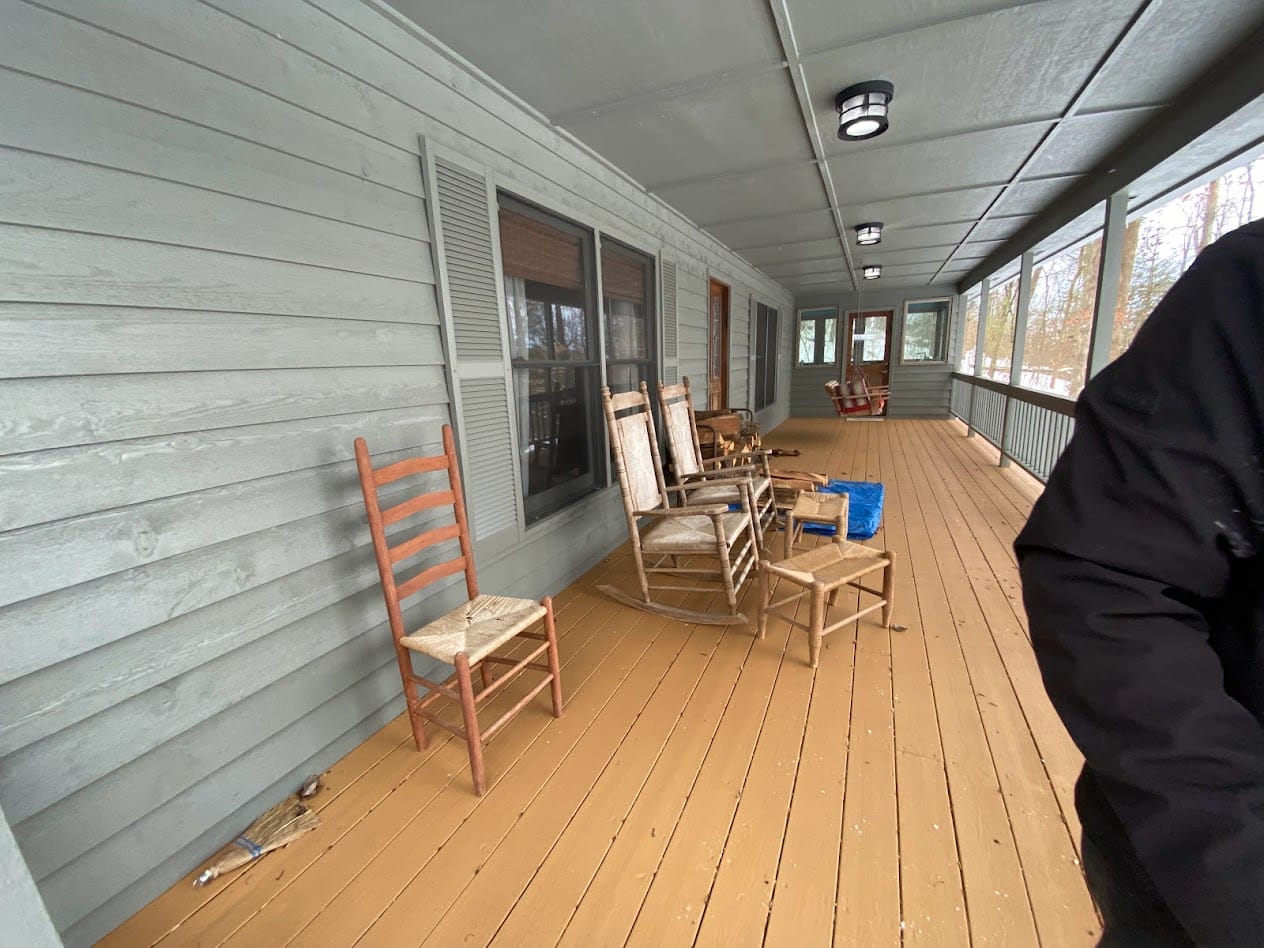
- 01At MI Homesiding, we believe leak repair should never stop at the visible damage. Many older Knoxville homes have hidden structural issues behind the siding because moisture was trapped inside the wall system for years without proper drainage or ventilation.
- 02Our Hidden Damage Policy focuses on identifying damaged OSB, soft framing, trapped moisture, deteriorated trim, failed flashing, and wall sections weakened by long-term water exposure. We explain what we find clearly so homeowners understand whether the problem requires localized repairs or larger structural corrections before the siding is closed back up.
Leaks Around Windows Are Extremely Common
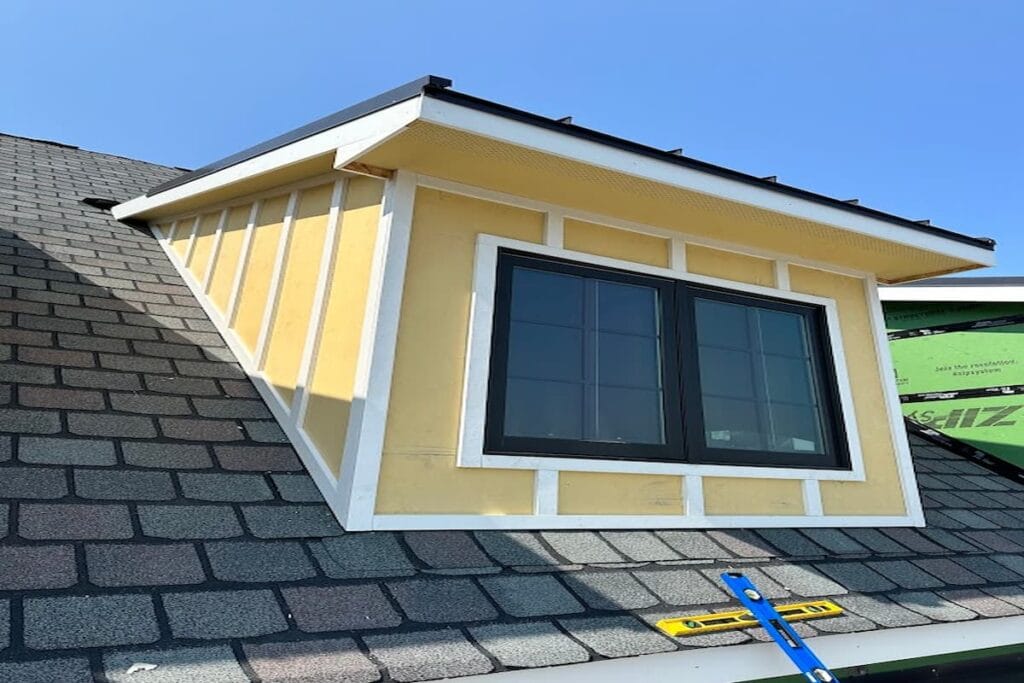
Window areas are one of the most common places we find siding leaks. Water often enters around improperly flashed windows, failed caulking lines, loose trim, or siding transitions that were never sealed correctly during installation.
Once moisture gets around the window system, it can travel behind the siding and spread through insulation, framing, and nearby wall sections without obvious signs at first. Homeowners experiencing repeated leaks around windows often discover the original installation itself failed. Our improper siding installation repair page explains many of the contractor mistakes we commonly uncover during inspections.
Chimneys, Roof Lines & Gutters Create High-Risk Leak Areas
Some of the worst siding leaks happen where roofing systems connect with siding walls. Chimneys, gutter lines, fascia areas, valleys, and roof-to-wall transitions are extremely vulnerable to water intrusion if flashing is missing or installed incorrectly.
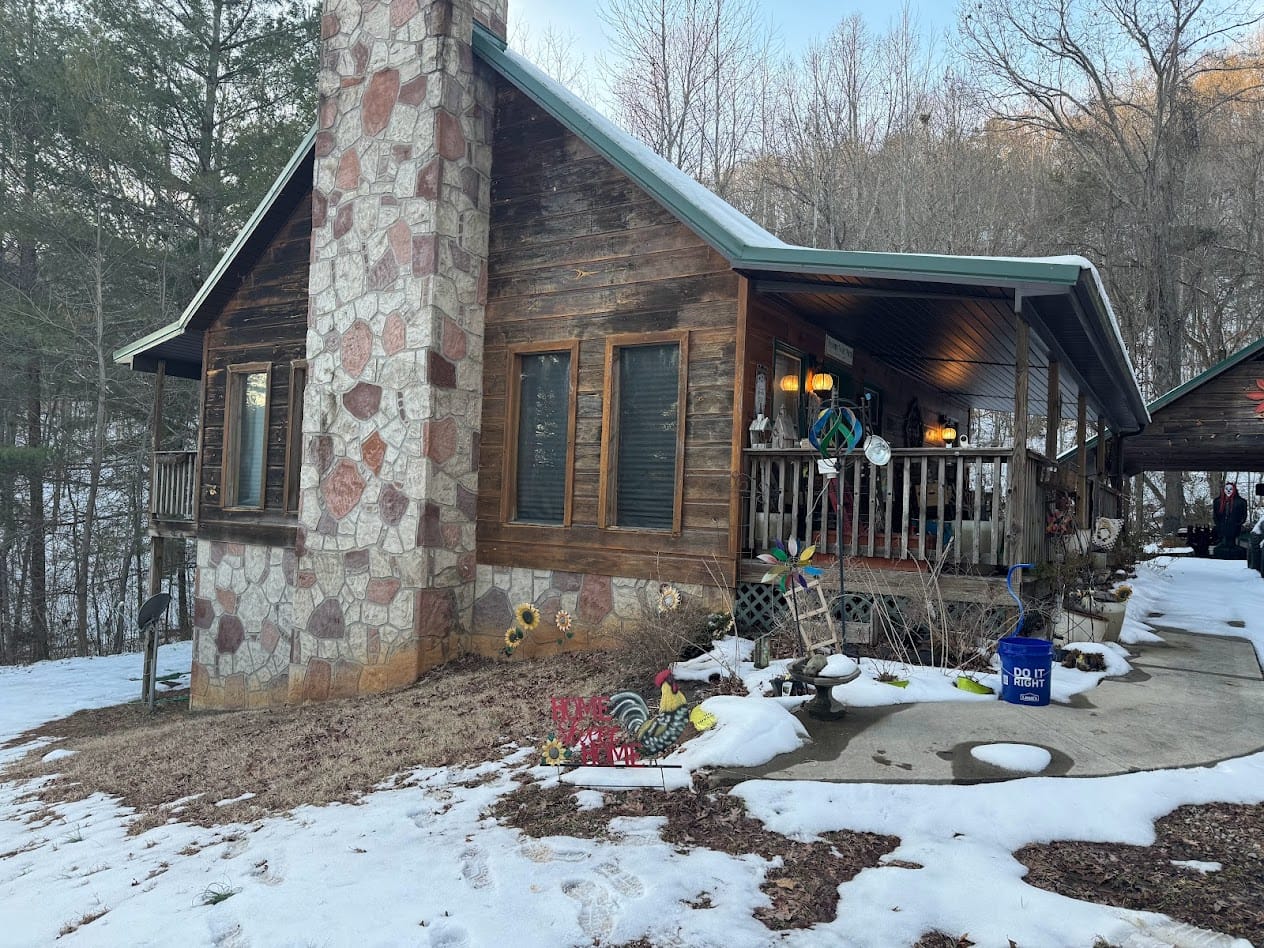
We regularly repair homes where water entered behind siding near chimneys for years before homeowners realized the extent of the damage. In many cases, the siding itself was blamed even though the real issue started with failed flashing or drainage problems above the wall. Homeowners with repeated moisture issues near chimney areas often review our chimney siding repair services to better understand these failures.
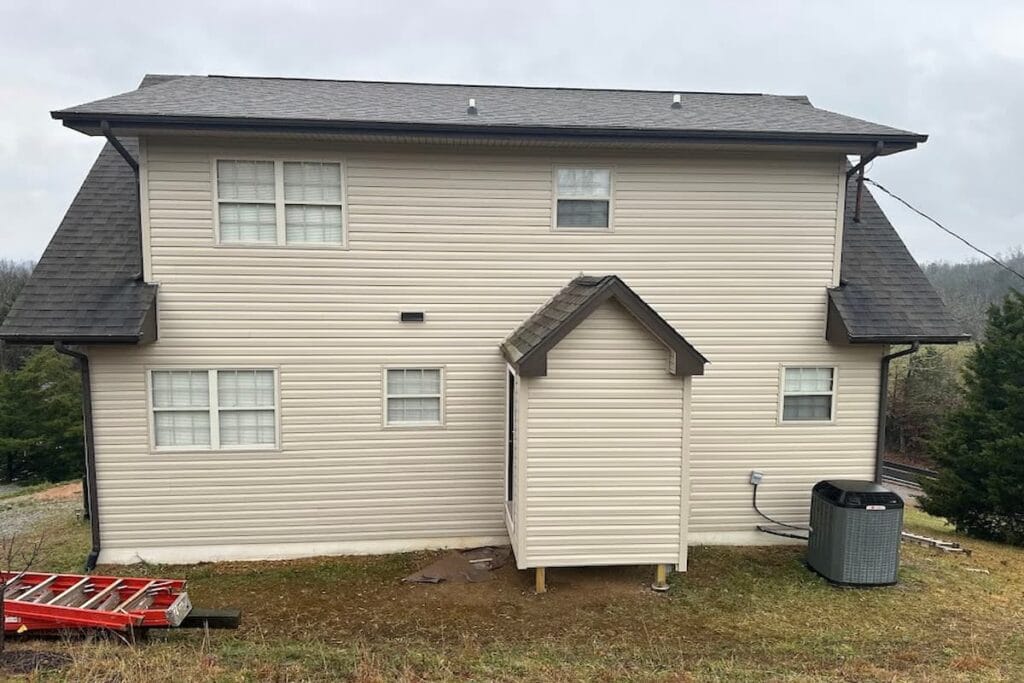
Poor Drainage Around the Foundation Often Causes Hidden Moisture Problems
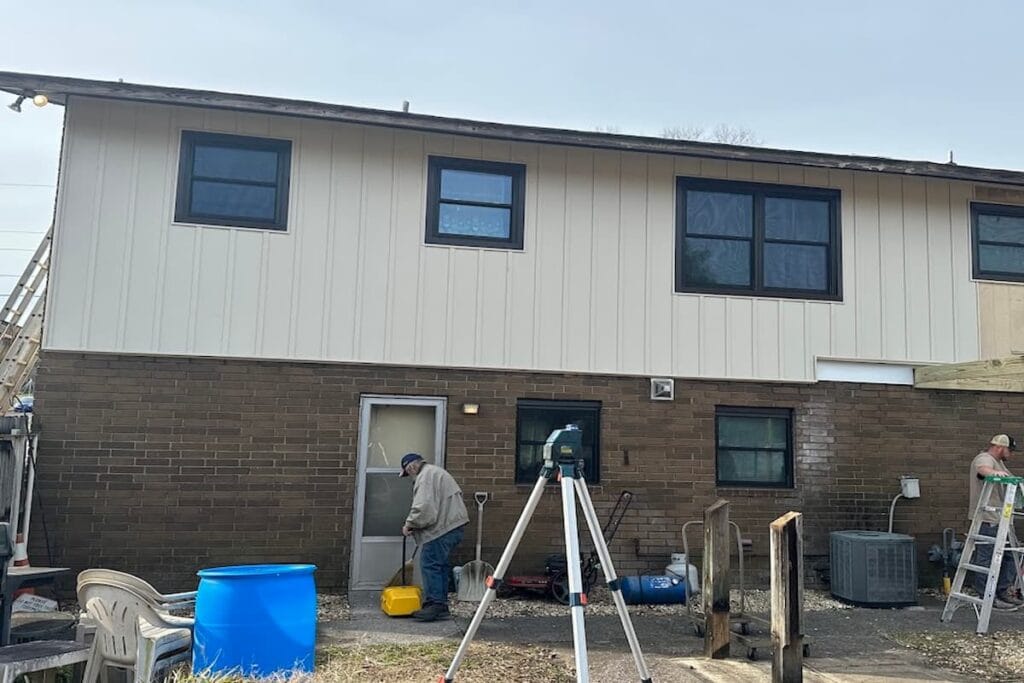
Another common siding leak area is where the siding meets the foundation. If water cannot drain properly away from the home, moisture often enters behind lower wall sections and slowly damages the sheathing from the bottom upward.
We commonly find siding installed too low, missing drip edges, poor grading, overflowing gutters, and weak drainage systems contributing to long-term moisture problems around Knoxville homes. Homeowners dealing with recurring lower-wall moisture issues often compare solutions through our siding repair contractor page before deciding how extensive repairs need to be.

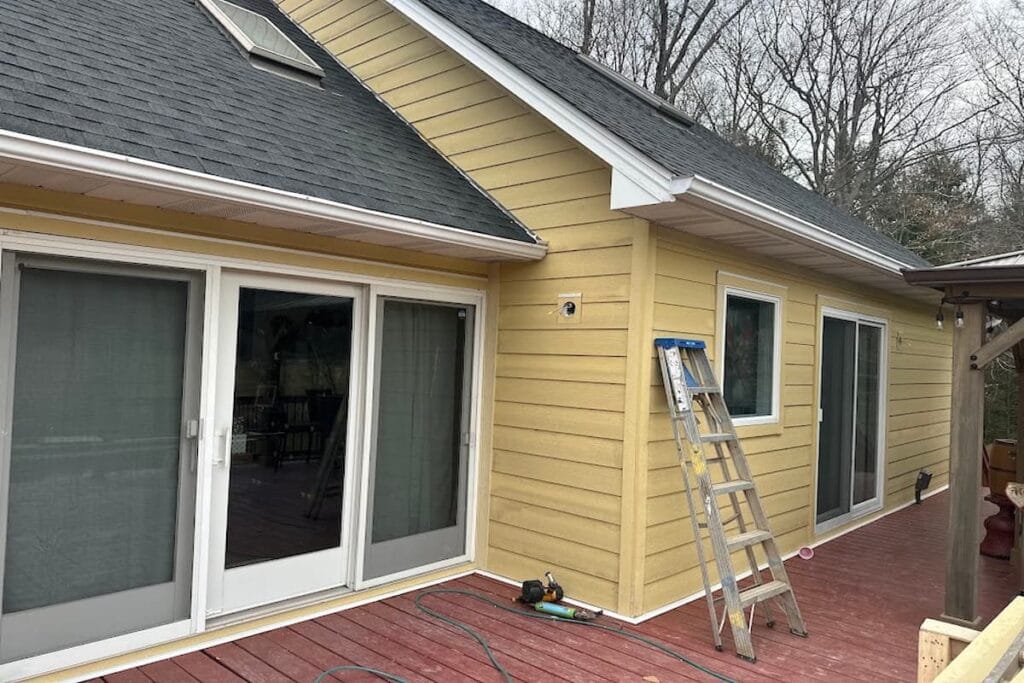
We Focus on Correcting the Cause — Not Just the Symptoms
Many siding leak repairs fail because contractors only replace visible materials while ignoring the actual water entry point behind the system. Cosmetic repairs may temporarily improve appearance, but the moisture problem usually continues hidden underneath.
Our approach focuses on locating the leak source, correcting failed flashing, improving drainage, restoring moisture protection, and reinstalling siding correctly so the problem does not keep returning. For homes with larger moisture exposure, our repair vs replace siding guide helps homeowners understand when repairs may no longer be enough.
Why Homeowners Trust MI Homesiding for Leak Repair
Homeowners throughout Knoxville call us because they want honest answers and real inspections instead of temporary patches. Many people are frustrated after hiring contractors who repaired the same leak multiple times without solving the actual moisture problem.
At MI Homesiding, we inspect projects personally, explain the condition clearly, and focus on long-term structural protection. We work carefully around flashing systems, drainage areas, roof transitions, windows, and moisture-sensitive wall sections because we understand how all exterior systems work together.
Get a Free Siding Leak Inspection in Knoxville, TN
Ready to Get Started?
If you suspect water is leaking behind your siding, acting early can help prevent major structural damage and expensive repairs later. MI Homesiding provides siding leak repair focused on moisture control, structural protection, and long-term solutions for Knoxville and East Tennessee homes.
📞 Call now for siding leak repair: (865) 243-1243
Licensed Home Improvement Contractor · Insured · Family Owned & Operated
Bilingual Service · 5-Star Rated on Google · Serving Knoxville & East Tennessee
📞 (865) 243-1243
✉️ contact@mihomesidingllc.com
📍 Knoxville, TN