
MI Homesiding & Roofing
Tongue and groove installation, replacement, and repair for porch ceilings, soffits, accent walls, and exterior wood details built to handle humidity, rain, and seasonal movement in East Tennessee.
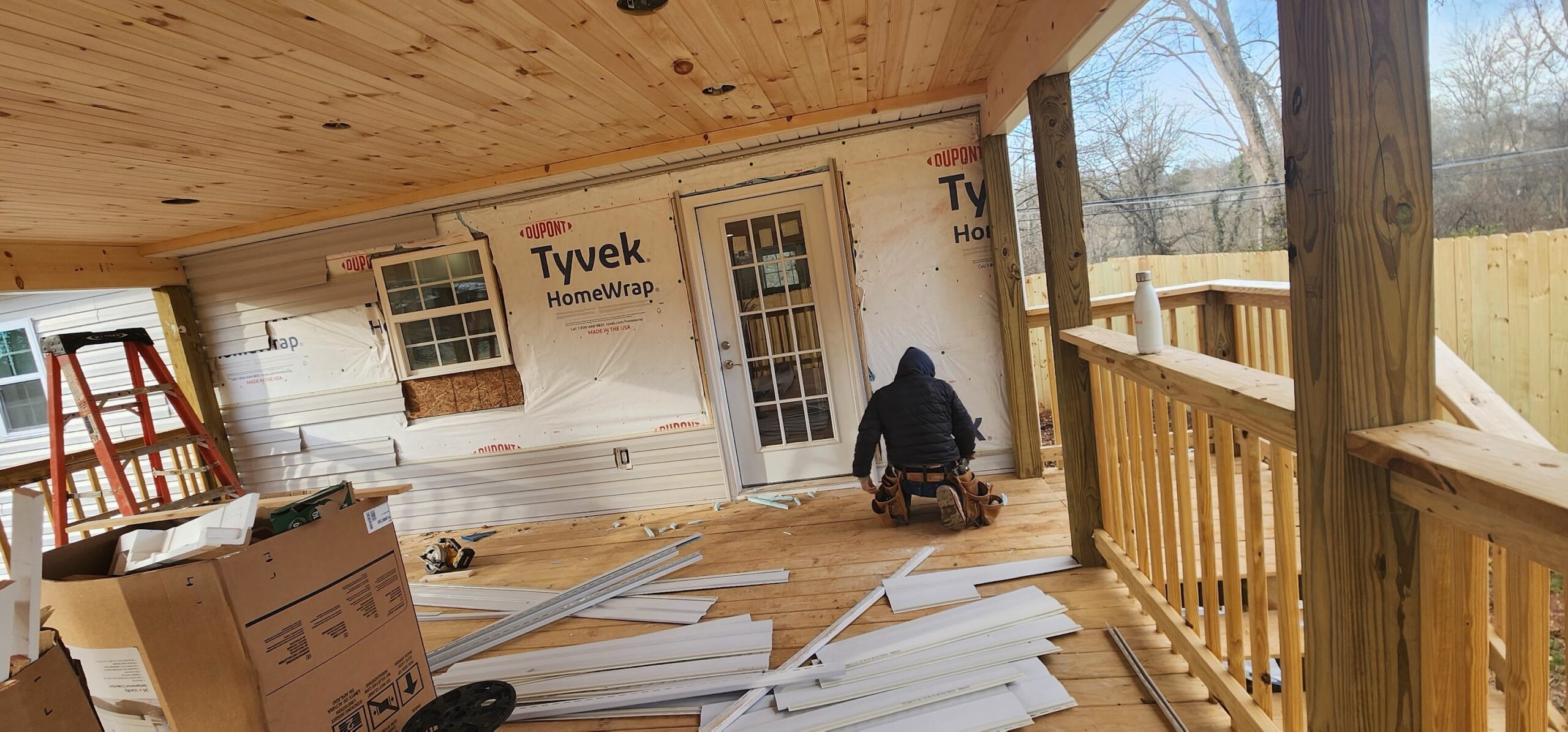
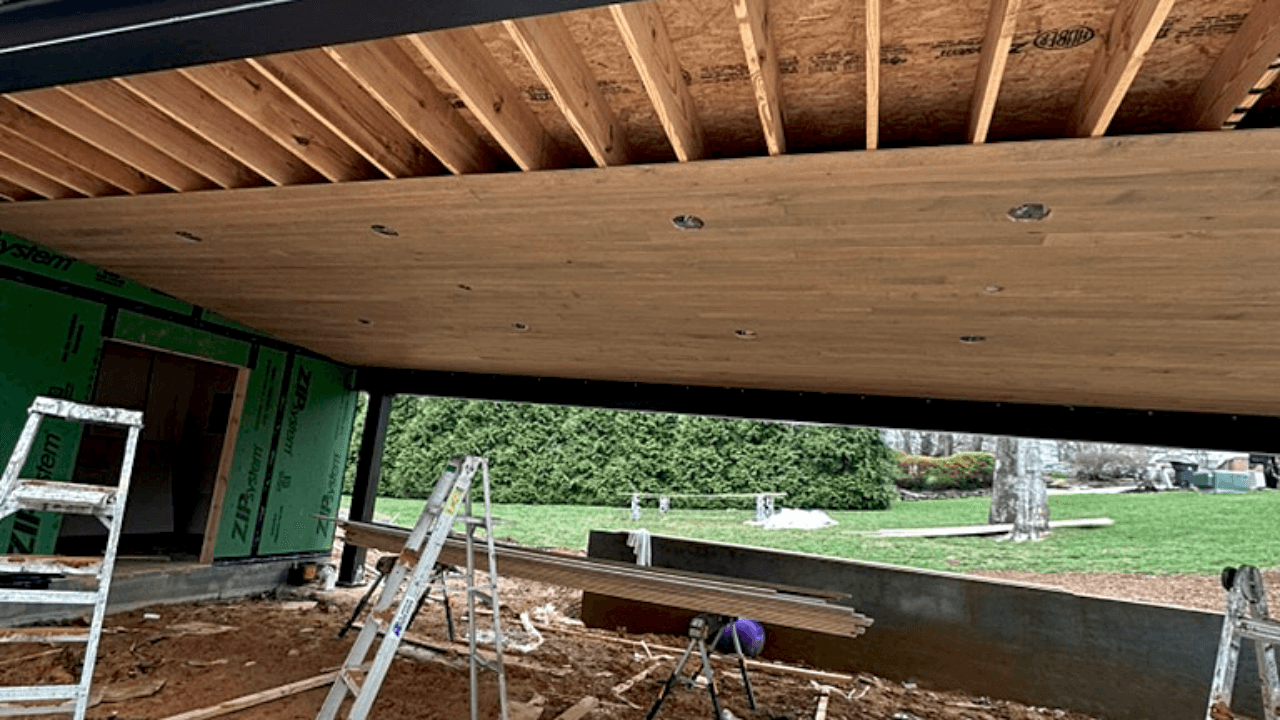
Tongue and groove is a great way to upgrade a porch ceiling, soffit, accent wall, or exterior wood detail, especially on homes in Knoxville and nearby mountain areas where character and finish matter. It gives a cleaner, tighter look than many basic board installs and works well on porches, cabins, covered entries, and specialty exterior areas. When installed correctly, it adds warmth and architectural detail without looking overdone.
But in East Tennessee, tongue and groove also has to handle humidity, heavy rain, and temperature swings that can make boards move, gap, stain, or loosen over time. That is why this kind of work cannot be treated like simple trim carpentry. At MI Homesiding & Roofing, we focus on fastening, flashing, layout, and moisture protection so the finished surface still looks right after the seasons change.
EXCELLENT
Based on 64 reviews
Posted on Google![]()
Dan HoppTrustindex verifies that the original source of the review is Google.
Had a fascia bit replaced. That was one of the fastest, cleanest jobsPosted on Google![]()
RichardTrustindex verifies that the original source of the review is Google.
Thanks for the great work! Quick, fair price, professional and friendly. Highly recommend.Posted on Google![]()
Andreas EnnsTrustindex verifies that the original source of the review is Google.
The guys were very responsive and did a great job!Posted on Google![]()
Lauren Senesac NicholsTrustindex verifies that the original source of the review is Google.
Mel was so easy to work with. We had him out because we needed to figure out how to fix a roof leak where the flashing wasn't done right (and part of the siding was also not right). He did a thorough inspection and explained to me what issues he saw. His quote was similar to the other we got. We ended up having him put on a new roof, with a new under shingle ventilation system and a roof vent. He also corrected siding issues (and flashing), fixed some rotten trim, and repainted part of the siding and trim. Everything looks great! His crews were very nice. Of all the contractors we've worked with on various renovations, Mel was easily one of the best at quickly responding when we had a question or saw an issue we wanted handled differently. We'll definitely hire him again if we need roof or siding work!Posted on Google![]()
James KellerTrustindex verifies that the original source of the review is Google.
Mel and his team were extremely thorough in identifying and correcting a water leakage problem from the top of our deck into the enclosed sun room below. They were both professional and courteous and provided great follow up after the job was completed. I highly recommend MI Homesiding & Roofing for any problem that involves water leakage into your home. I will definitely use MI in the future.Posted on Google![]()
Laura RomansTrustindex verifies that the original source of the review is Google.
Highly recommend MI Homesiding! They completed a major home exterior project for us including replacing and painting our siding as well as replacing our roofing and gutters. They did an excellent job and we began getting compliments immediately from our neighbors about it! Mel was very communicative and proactive, listened to our questions and ideas, and took care of things in a timely manner. His team was always professional and the work is just superb! We not only recommend MI Homesiding, we will be using them again for future projects ourselves.Posted on Google![]()
Ricardas LukosiunasTrustindex verifies that the original source of the review is Google.
I found MI Homesiding & Roofing through their YouTube channel and called with a few questions about siding. Even though I’m not located in Tennessee and wouldn’t be hiring them directly, they answered the phone right away and took the time to answer every question in detail. They provided specific, helpful information and even assisted me in finding a contractor in my area. It’s rare to find a company so willing to help someone who isn’t even a local customer. Awesome people, excellent service, and truly knowledgeable. Thank you so much!Posted on Google![]()
Jeff NeldenTrustindex verifies that the original source of the review is Google.
Exceptionally pleased with entire process and results. Most professional estimate I received, good communication, timely, and did what they said they would. Building looks exceptional. I highly recommend Mel and his crew,Showing only 5 star reviews
Verified credentials
Who you are actually hiring, and who stands behind the work.

James Hardie™ ALLIANCE Affiliate
Fiber cement siding · Affiliate level

True Metal Supply
Metal roofing and siding supplier

BBB Accredited Business — A+ Rating
Licensed Home Improvement Contractor
Tennessee license #13334 · General Liability and Workers’ Compensation insured

Knoxville Chamber Investor
Investor member of the Knoxville Chamber

Across Knoxville and the surrounding area, tongue and groove is most often used on covered porch ceilings, soffits, accent walls, and specialty exterior wood details. It can also be used on cabins, covered outdoor living spaces, and certain trim-heavy areas where homeowners want a more finished wood look.
The key is understanding where the boards will be exposed to moisture, how the roof edge drains, and whether the area has enough protection to keep the system stable. Where the boards are running into a soffit, the detail has to work with the soffit and fascia rather than against it.
If you are comparing related exterior wood finishes, our wood siding installation page helps show where full wood siding differs from tongue and groove detail work.
Boards that gap, cup or streak a year after installation usually did so for reasons that were settled before anyone picked up a nail gun. Four of them matter more than the rest.
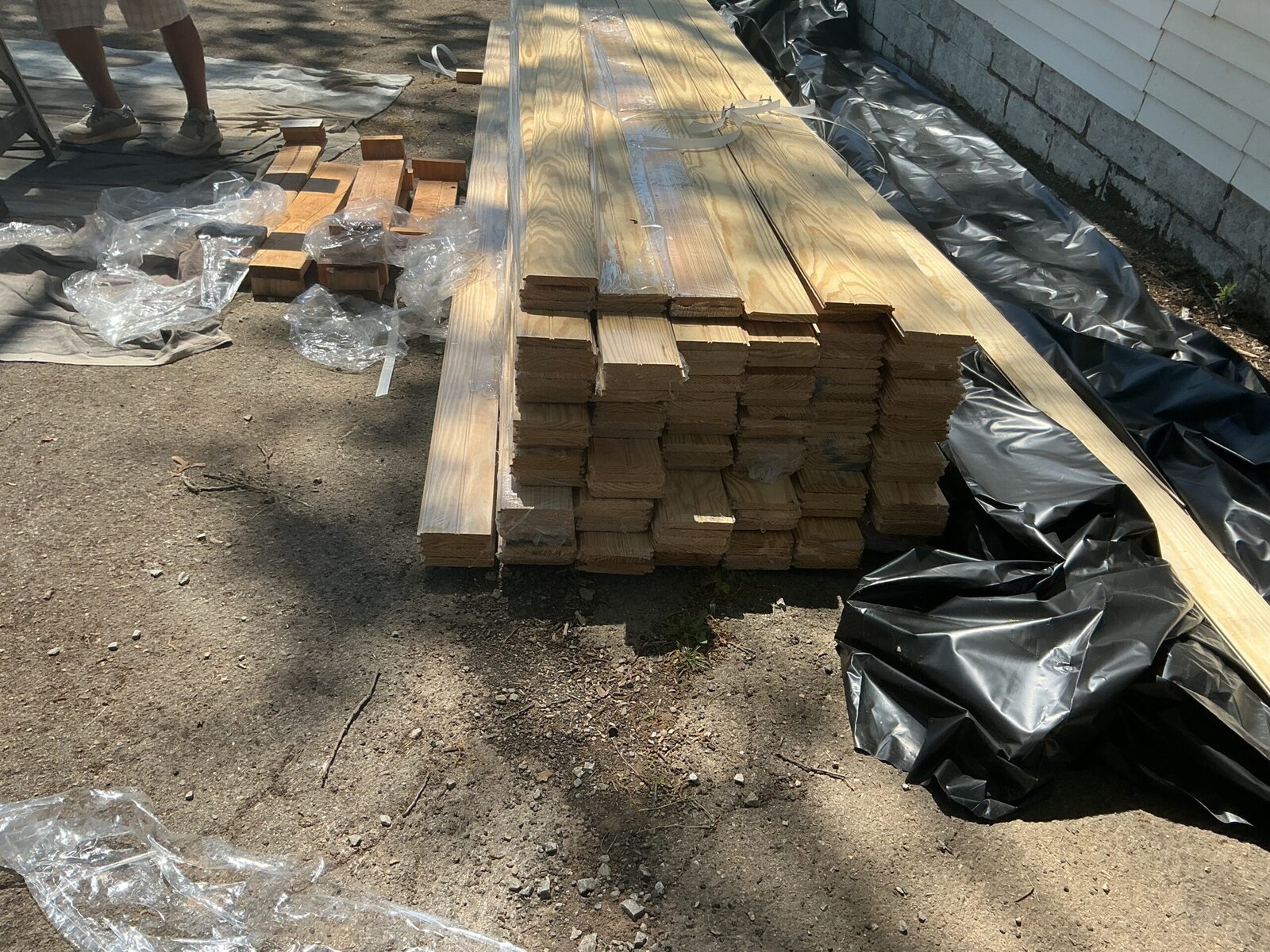
Let the wood acclimate first. Wood takes on and gives off moisture until it settles to the conditions around it. Boards installed straight off the truck keep moving afterward, and that movement is what opens the joints. How long it needs depends on how the material was dried and on the conditions at your house, which is why we will not put a number on it here.
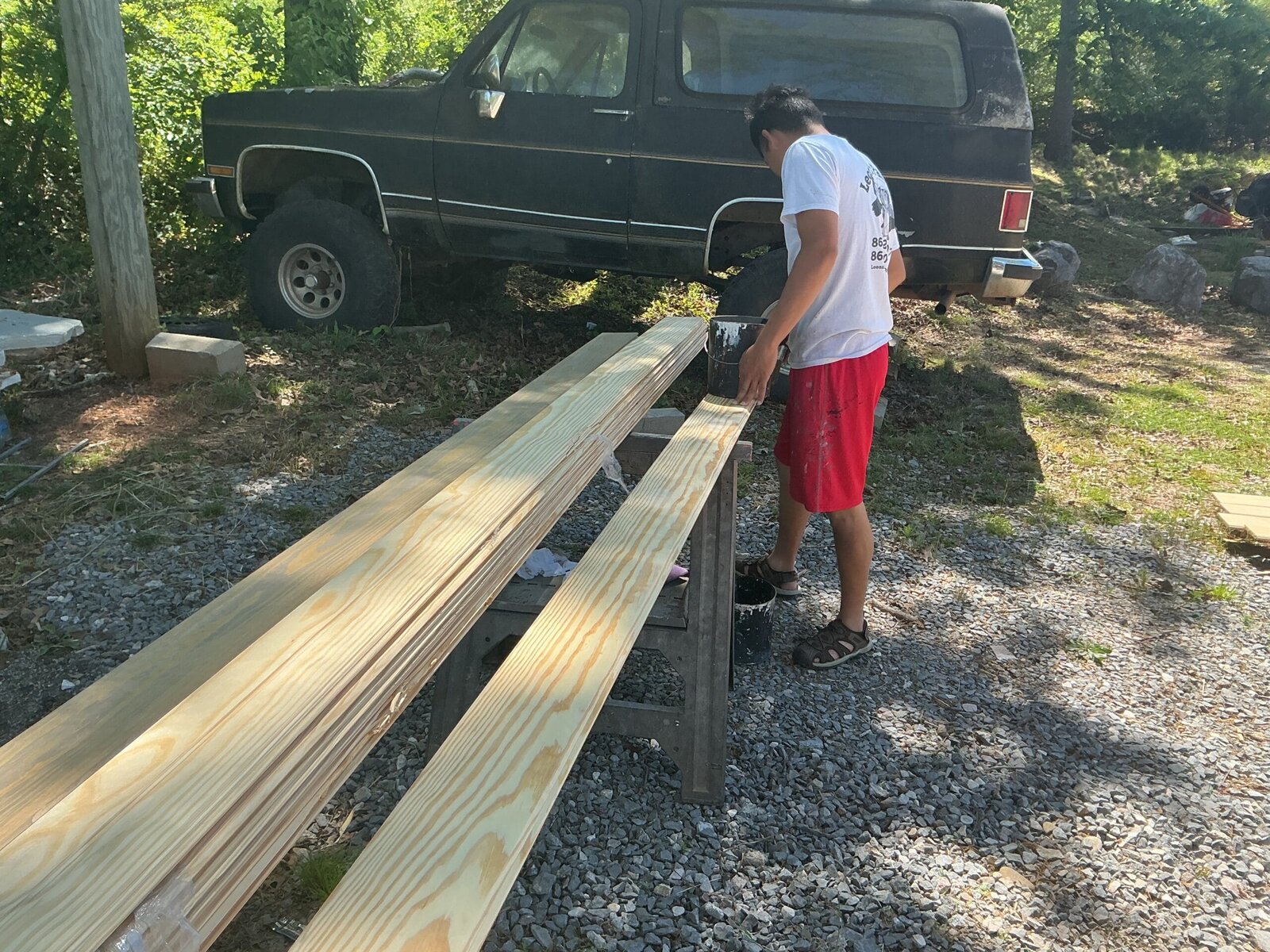
Finish it on all six sides. For cedar siding and trim, the industry association’s guidance is that finishing works best when the product is coated on all six sides — face, back, both edges and both ends — before it goes up. The back and the end grain are where water gets in, and once the boards are installed you cannot reach them. End cuts made on site get sealed too.
Fasten into something solid. Fasteners have to reach real framing or furring, not just the surface material. Rigid foam sheathing in particular is not a nailing base for cedar siding. The required penetration and spacing belong to the product and the assembly, so they come from the manufacturer’s instructions rather than from a web page.
Leave the wood room to move. Even properly acclimated boards expand and contract with the seasons. An installation that pins them tight with nowhere to go is the one that gaps, cups or splits. How much room, and where, depends on the profile and the exposure.
On cedar, the fasteners themselves matter. Cedar contains natural preservatives that react with the wrong metal. The cedar industry association does not recommend electroplated or mechanically galvanized fasteners, or copper, because they react with those extractives — which is where the black streaks and rust stains running down from each nail come from. Corrosion-resistant fasteners are used instead. If you are looking at streaking on an existing cedar ceiling, the nails are worth checking before anyone blames the wood.

A good tongue and groove install starts with a clean plan, straight layout lines, solid backing, and fastening into framing where it belongs. One of the most common problems we see is weak fastening or the wrong fastening pattern, which leads to boards loosening, sagging, or separating over time. Good installation also means paying attention to board direction, spacing, trim lines, and how the surface will move through humid summers and drier winter periods. When those details are skipped, we often end up correcting the same kinds of failures seen in improper siding installation repair because the root issue is still bad installation.
The most common tongue and groove problems we see in East Tennessee come from poor fastening, missing flashing, trapped moisture, and failure to account for normal wood movement. Boards that are too tight, poorly supported, or exposed to repeated water entry start to separate, stain, swell, or rot. These problems show up most often where T&G meets Hardie, trim, fascia, soffits, roof edges, or other transitions that were never flashed correctly in the first place. When moisture keeps getting behind the boards, the damage can spread farther into the structure and lead to water behind siding repair or other related wall issues.

Our workmanship warranty, in plain terms. We carry a one-year limited workmanship warranty on siding work, and five years on a full James Hardie replacement. We publish both figures rather than one blanket number, because a single figure quoted across every job is almost always the shorter one applied to the bigger job.
How long it takes. A typical full siding replacement may take about one to two weeks of working time, depending on home size, material, weather, access, hidden damage and project scope. That is an expectation rather than a guarantee, and we do not promise a fixed completion date. The schedule goes in the written proposal.
What the written estimate itemizes. Square footage by elevation, the product line and profile by name, the weather-resistive barrier, flashing at every opening and transition, trim, fasteners, caulking and finish, an allowance for sheathing repair, and removal and disposal of the existing cladding. Where two siding quotes differ sharply, the gap is nearly always in the barrier, the flashing and the sheathing allowance — the parts nobody sees once the wall is closed.
Licensed Home Improvement Contractor (TN #13334) · BBB Accredited with an A+ rating · Workers’ Compensation and General Liability carried · family owned and operated, bilingual English and Spanish · 20+ years of hands-on construction and exterior remodeling experience · Google Reviews.
Not every tongue and groove problem needs a full tear-out. If only a few boards are damaged and the backing behind them is still solid, repair can be a smart option, especially when we fix the root cause first.
But if there is ongoing moisture, damaged framing, failed flashing, or a repeated pattern of bad installation across the area, replacement is usually the better long-term decision. That kind of evaluation matters because the goal is not just to make it look better for now. It is to stop the same failure from returning, which is also why some projects overlap with rotted siding repair when wood damage has already spread.
If rotted framing, failed flashing, or moisture behind the boards is discovered during the project, we stop and document the problem with photos. We explain what we found and why it matters, then provide a written Change Order before moving forward.
We look behind the surface before closing it in, and what we find is documented in writing.
Tongue and groove looks simple when it is finished, but water control is what decides whether it stays tight or starts failing. Missing aluminum flashing, weak trim transitions, poor roof drainage, and lack of separation from moisture-prone surfaces are some of the biggest reasons these systems fail. On porches, cabin exteriors, and soffits, a small water-entry point can quietly damage the boards and the structure behind them before the homeowner sees anything obvious. That is why we pay close attention to transitions and often have to correct siding flashing repair issues before rebuilding the finished surface.

Tongue and groove projects in Knoxville, Gatlinburg, Sevierville, and other nearby areas all deal with the same larger issues: humidity, rain, changing temperatures, and repeated expansion and contraction through the year. In mountain and cabin areas, exposure can be even tougher because of roof design, shade, wind-driven rain, and longer periods of moisture. That is why a good-looking install is not enough by itself. It also has to be planned for the real weather conditions the boards will face. If you are comparing broader exterior material performance, our best siding for Tennessee climate guide helps put those conditions in context.
Homeowners call MI Homesiding because we look at the full system, not just the visible surface. We inspect carefully, explain the real cause of the issue, and focus on fastening, flashing, backing, and water control before we close anything up. That matters on tongue and groove because a clean finish can still fail quickly if the structure and transitions behind it were never handled correctly. If you want a broader look at the exterior work we handle across siding, trim, repairs, and replacement, our siding services in Knoxville page gives the larger picture.
Every tongue and groove project is different, and the right approach depends on where the boards are being installed, how exposed the area is, and whether moisture has already affected the structure behind it. We inspect the project carefully, explain what the area needs, and provide a clear estimate based on the real condition of the work. Our goal is to build a clean finish that also performs the way it should over time. If you are also comparing repair versus larger rebuild costs, our siding replacement cost guide can help you think through the budget side.
Tongue and groove cost depends on where the material is being installed, how exposed the area is, and whether the backing behind it is still solid.
Porch ceilings, soffits, cabin details, and repair areas all price differently because access, prep, flashing, and finish details change from project to project.
If hidden rot, failed flashing, or moisture damage is found, we explain the issue before moving forward so the repair is done correctly.
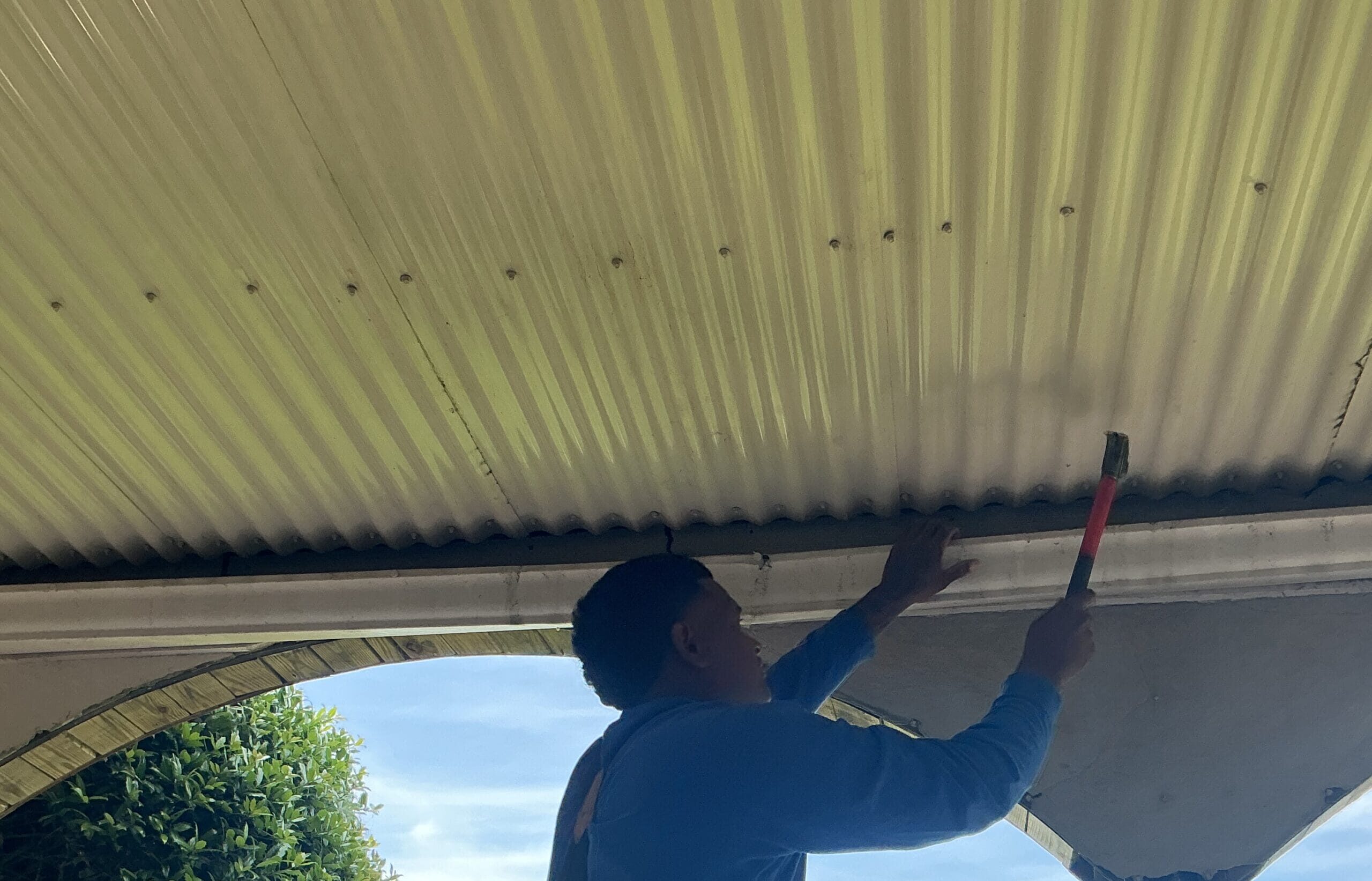
Cost depends on the location of the install, the material being used, the amount of prep required, and whether there is hidden damage behind the existing surface. Porch ceilings, soffits, and repair work all price differently, so the figure comes from looking at the actual area rather than from a table.
Yes. We serve Knoxville and surrounding East Tennessee, including Farragut, Powell, Maryville, Oak Ridge, Gatlinburg, Sevierville, and nearby communities, depending on the project scope.
Yes, but only when the system is designed for exterior use and installed with proper flashing, fastening, drainage, and moisture control for our climate. Exterior wood is not interior trim carpentry with a different address.
It should. Wood keeps taking on and giving off moisture until it settles to the conditions around it, so boards installed straight off the truck carry on moving afterward, and that movement is what opens joints. How long it needs depends on how the material was dried and on conditions at the house, so it is judged per project rather than set to a fixed number.
For cedar siding and trim, the industry guidance is that finishing works best when the boards are coated on all six sides before installation, including the back, both edges and the end grain, with site-made end cuts sealed as they are made. The back and the ends are where water gets in, and once the boards are up those faces cannot be reached.
It depends on the profile and the product, and it is not a single answer. For cedar, the industry guidance is that siding patterns are face nailed, with narrow tongue and groove profiles being the exception where concealed fastening may be an option under certain conditions. Wider boards are face fastened. The product instructions for the material going on your house decide it.
On cedar that is usually a fastener problem rather than a wood problem. Cedar contains natural preservatives that react with the wrong metal, and the cedar industry association does not recommend electroplated or mechanically galvanized fasteners, or copper, for that reason. Corrosion-resistant fasteners are used instead. If an existing ceiling is streaking, the nails are worth checking before the wood gets blamed.
The most common causes are weak fastening, missing flashing, trapped moisture, or normal seasonal movement that was never accounted for during installation. Wood moves; an installation that leaves it nowhere to go is the one that gaps.
That depends on how much of the area is affected and whether the structure behind it is still sound. Small localized problems may be repairable, but ongoing moisture, damaged framing or failed flashing across an area usually means replacement is the better long-term decision.
Yes. On-site estimates are free for standard projects. For complex inspections, such as active leaks, previous repair work, or conditions we cannot verify from the ground, we charge a $350 Technical Assessment, credited back in full if you move forward.
If you want tongue and groove work that looks clean and stays tighter through Knoxville weather, we can help. MI Homesiding & Roofing handles installation, repair, and replacement with attention to fastening, flashing, moisture control, and the long-term performance of the full system.
Licensed Home Improvement Contractor · Workers’ Compensation Insured · General Liability Insured · BBB Accredited · Family Owned & Operated